
Buying a Home in Woodbridge, VA With a Fire Sprinkler System? 7 Things to Check Before Closing
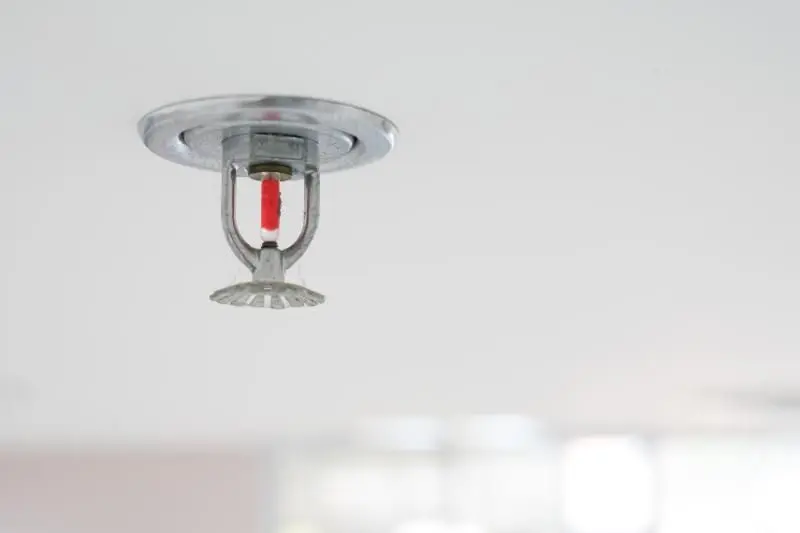
Imagine touring a beautiful home in Woodbridge, Virginia.
You love the kitchen, the open floor plan, and the backyard. But while looking at the ceiling, you notice small circular fixtures that aren't lights or smoke detectors.
The real estate agent explains that the house has a built-in fire sprinkler system.
At first, that sounds like a great safety feature.
But then you start wondering:
"How do I know if the fire sprinkler system actually works, and what will it cost to maintain after I buy the house?"
That's an important question, especially when purchasing a home with a system you've never owned before.
Residential fire sprinklers can provide valuable protection by controlling a fire while it's still small. However, buyers should understand how the system works, whether it has been properly maintained, and what responsibilities come with ownership.
If you're buying a home in Woodbridge, Dale City, Lake Ridge, Dumfries, or Prince William County, Virginia, here are seven things to check before closing.
1. Understand What Type of Fire Sprinkler System Is Installed
First, confirm that the property has an actual residential fire sprinkler system.
We're talking about indoor fire protection sprinklers, not the irrigation sprinklers used to water a lawn.
Residential fire sprinklers are installed in certain areas of the home and designed to respond to high heat from a fire.
According to the U.S. Fire Administration, home fire sprinklers help control fires and reduce the heat and smoke that can make a house fire dangerous.
Do All Sprinklers Activate at the Same Time?
No. That's a common misunderstanding.
Residential fire sprinklers generally activate individually when exposed to sufficient heat.
In many home fires, only the sprinkler closest to the fire activates.
Smoke alarms serve a different purpose. They warn occupants about a possible fire, while fire sprinklers help control the flames.
Both systems play important roles in home fire safety.
Are All Residential Sprinkler Systems the Same?
Not necessarily.
Some systems connect directly to the home's domestic water supply.
Others use separate piping arrangements or additional equipment.
Certain properties may have dedicated water storage tanks or pumps.
The system's design depends on the property, available water supply, installation date, and applicable requirements.
What Should You Ask the Seller?
Before closing, find out:
-
When the system was installed
-
Which company installed it
-
Whether it has a dedicated water supply
-
Whether it uses additional pumps or tanks
-
Where the main controls are located
-
Whether operating instructions are available
Buyer tip: Don't assume that every sprinklered home has the same equipment or maintenance requirements.
Understanding the actual system is the first step.
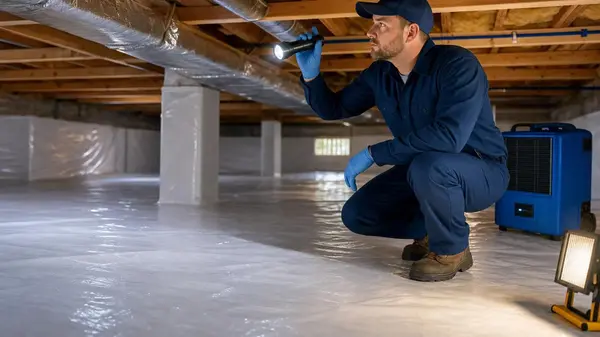
2. Schedule a Professional Fire Sprinkler Inspection
A general home inspection is valuable when purchasing a property.
However, your home inspector may not conduct a complete functional inspection of the fire sprinkler system.
That's why arranging a specialized evaluation can be worthwhile.
The National Fire Sprinkler Association recommends having a residential system evaluated by a qualified professional when ownership changes.
What Can a Professional Inspect?
Depending on the installation, a qualified fire sprinkler contractor may assess:
Sprinkler Heads
Checking visible components for damage, corrosion, or other concerns.
Water Supply
Evaluating whether the system has an appropriate available water source.
Control Valves
Confirming their condition and appropriate operating position.
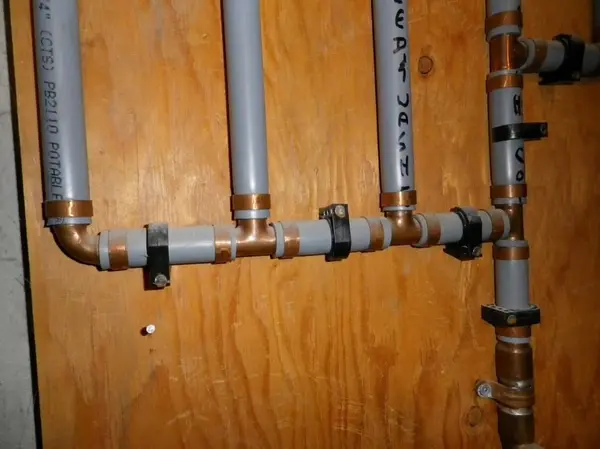
Piping
Checking accessible sections for visible leaks or deterioration.
Flow Testing
Conducting appropriate testing according to the system's design and requirements.
Alarms
Checking relevant waterflow or other alarm components, if installed.
Pumps and Tanks
Evaluating additional equipment where the property has it.
Does the Inspection Guarantee the System Will Always Work?
No.
An inspection provides information about the system's condition and performance at the time of evaluation.
It doesn't guarantee that components will never develop problems.
However, it may identify issues that should be addressed before you become the owner.
When Should You Arrange the Inspection?
Ideally, schedule the evaluation within the applicable inspection period in your purchase contract.
That gives you time to review the findings and discuss any concerns.
Buyer tip: Choose a contractor experienced in residential fire sprinkler systems, not just a general plumber or home inspector.
Request a written report that explains what was inspected, what was tested, and any limitations.
Official resource:
https://nfsa.org/how-to-inspect-a-home-fire-sprinkler-system/
3. Check the Water Supply and Main Control Valve
A residential sprinkler system needs an adequate water supply to operate.
The Home Fire Sprinkler Coalition explains that many residential systems connect to the home's main water supply.
Others may use different arrangements depending on the installation.
Why Is the Main Control Valve Important?
The control valve determines whether water can flow into the fire sprinkler system.
If the valve is shut off, the sprinklers may not have the water needed to operate during a fire.
A homeowner might accidentally close the valve during plumbing work and forget to reopen it.
That's why identifying the correct controls is important.
What Should Buyers Learn?
Ask a qualified professional to show you:
Main Sprinkler Water Control
Where is it located?
Normal Valve Position
How can you recognize whether the valve is in the appropriate position?
Test and Drain Controls
Where are they, and what are they used for?
Water Supply Arrangement
Does the sprinkler system share a supply with other household fixtures?
Additional Equipment
Are backflow devices, tanks, or pumps present?
Should You Operate the Valves Yourself?
Not during a showing or inspection unless you're specifically authorized and instructed by a qualified professional.
Incorrectly operating sprinkler controls could interfere with fire protection or cause water discharge.
If the system is connected to an alarm monitoring service, testing may also require advance coordination.
Buyer tip: Before settlement, request a demonstration of the system's controls from a qualified professional.
You should know where everything is, but avoid changing settings without proper guidance.
4. Look for Damaged, Painted, or Blocked Sprinkler Heads
Sprinkler heads may be small, but their condition matters.
During a walkthrough, you might notice sprinklers installed in ceilings or walls.
Some are visible, while others have concealed cover plates designed to blend into the room.
The Home Fire Sprinkler Coalition recommends keeping these components unobstructed and avoiding paint or decorations on them.
What Should You Look For?
Painted Sprinkler Heads
Painting a sprinkler head or its cover plate can interfere with the intended operation.
Visible Damage
Bent, broken, or otherwise damaged components should be evaluated.
Corrosion
Rust or other signs of deterioration may require professional attention.
Obstructions
Tall furniture, shelving, curtains, or decorations may interfere with water distribution.
Missing Cover Plates
Concealed sprinklers may have specific covers that should be properly installed.
Signs of Leaks
Water stains around a sprinkler could indicate a plumbing or system issue.
What If the Seller Recently Painted the House?
This is particularly relevant for homes prepared for sale.
Sometimes homeowners repaint ceilings and walls to improve their property's appearance.
During that work, sprinkler heads or cover plates might accidentally get painted.
If this happened, don't assume you can simply scrape the paint away.
A qualified fire sprinkler professional should determine whether a component needs replacement.
Can You Hang Decorations From Sprinklers?
No.
Fire sprinkler heads and exposed piping should not be used to hang clothing, decorations, plants, or other objects.
Buyer tip: If you notice damaged or painted components, ask for professional evaluation rather than attempting to repair them yourself.
5. Review Maintenance Records and Future Expenses
One concern buyers may have is whether fire sprinkler systems require expensive maintenance.
The good news is that many residential systems have relatively simple maintenance needs.
However, the exact requirements depend on the installation.
The Home Fire Sprinkler Coalition recommends periodic visual checks and waterflow testing. Its homeowner guidance generally recommends flow testing about twice a year.
More complex systems may have additional inspection and maintenance needs.
What Maintenance Records Should You Request?
Ask the seller for available:
Installation Documents
The original installation information.
Service Reports
Records from professional inspections or maintenance.
Flow Test Records
Dates and findings from completed testing.
Repair Invoices
Information about previously repaired components.
Equipment Manuals
Instructions for the specific system.
Warranty Information
Any remaining equipment or installation coverage.
Pump or Tank Records
Documentation for additional equipment, if installed.
What Will Maintenance Cost?
There isn't one standard cost that applies to every home.
A simple residential system connected to the water supply may have different maintenance expenses from a system with a dedicated pump or tank.
Costs can also vary based on system age, condition, and the contractor performing the work.
Before closing, consider asking a qualified local fire sprinkler company for a maintenance assessment or estimate.
What About Homeowners Insurance?
A home fire sprinkler system may qualify for an insurance discount with some providers.
However, the discount isn't guaranteed.
Your insurer may ask for information about the system, such as its installation or operating condition.
Buyer tip: Request a property-specific insurance quote and ask whether the sprinkler system affects your coverage or premium.
Don't assume the insurance savings will automatically cover all maintenance expenses.
6. Verify Permit Records and Applicable Virginia Requirements
When purchasing a property with a built-in fire sprinkler system, it's worth checking whether the installation was appropriately approved.
Prince William County has fire protection plan review and inspection procedures.
Its published guidance identifies residential sprinkler systems under standards such as NFPA 13D, as well as other systems used for different residential building types.
Does Virginia Require Every House to Have Fire Sprinklers?
No. You shouldn't assume that every single-family house or townhouse in Virginia is required to have a sprinkler system.
Under the 2021 Virginia Residential Code, Section R313 addresses how residential sprinklers must be designed and installed when they are provided.
The code also contains provisions for existing homes that do not already have sprinklers.
However, a particular property may have sprinkler-related requirements arising from its approved design, construction, or other applicable conditions.
What If You're Buying a Townhouse?
Some townhouses may have built-in fire sprinklers, while others do not.
For a townhouse with sprinklers, confirm the installation records and whether the system serves only that residence or involves shared components.
What Documents Should You Request?
Ask whether the seller has:
Original Installation Permit
Information about the approved work.
Inspection Approval
Documentation of relevant inspections.
Approved Plans
Details about the system's design.
Contractor Information
The company that installed or serviced the equipment.
Modification Records
Evidence of any later changes or repairs.
Where Can You Check?
For homes under Prince William County jurisdiction, start with the county's Development Services and Fire Marshal's Office.
Permit information may be available through the county's ePortal.
Official resources:
Prince William County Fire Marshal's Office:
https://www.pwcva.gov/department/fire-marshals-office
Virginia Residential Code:
https://codes.iccsafe.org/content/VARC2021P2/chapter-3-building-planning
What About Condominiums?
Condominium buildings may be subject to different fire protection requirements from a single-family home.
The sprinkler system may also be maintained by the condominium association rather than an individual unit owner.
Review the association documents and confirm the maintenance arrangements.
Buyer tip: Always identify the type of property and actual system before assuming who maintains the sprinkler equipment.
7. Check for Leaks, Freezing Risks, and Repair Responsibilities
A properly designed sprinkler system can provide important fire protection.
However, like other water-based systems, it can develop problems.
For example, piping may be exposed to freezing conditions if it is improperly installed or insulated.
A damaged component may also leak.
What Should You Check?
Water Stains
Look for unexplained moisture around ceilings and walls.
Visible Piping
Ask whether accessible piping has been inspected.
Cold Areas
Find out whether any sprinkler pipes run through spaces vulnerable to freezing.
Previous Repairs
Request information about any leaks or system replacements.
Water Pressure Concerns
Ask whether the property has experienced significant changes in water supply.
Recent Renovations
Find out whether remodeling work affected sprinkler coverage or piping.
Can Sprinkler Pipes Freeze in Northern Virginia?
They can be vulnerable if they're installed or protected improperly.
However, residential sprinkler design standards address protection from freezing.
You shouldn't assume that every home sprinkler system is likely to freeze simply because winters in Northern Virginia can be cold.
If the system has piping in an unheated area, ask a qualified professional whether it has appropriate protection.
What If the Inspection Finds a Problem?
The next step is to obtain a qualified diagnosis and written repair estimate.
Depending on the issue, work may involve replacing a damaged sprinkler, correcting a leak, addressing a valve problem, or repairing other equipment.
Certain repairs or alterations may require permits or inspections.
Do not disable the system as a temporary solution without appropriate professional and fire-safety guidance.
Can You Negotiate Repairs Before Closing?
Potentially.
Depending on the purchase contract and inspection terms, the buyer and seller may discuss repairs, a price adjustment, or an eligible closing-cost credit.
However, the seller isn't automatically required to accept every request.
Buyer tip: If the sprinkler system has a significant problem, understand the implications for safety, insurance, and occupancy before deciding how to proceed.
Are Residential Fire Sprinklers Worth Having?
For many buyers, a functioning residential fire sprinkler system is a positive feature.
According to the U.S. Fire Administration, sprinklers and smoke alarms together significantly reduce the risk of dying in a home fire.
However, a sprinkler system shouldn't replace other fire safety measures.
Homeowners should still maintain working smoke alarms, prepare an escape plan, and practice appropriate fire prevention.
What About Water Damage?
Some buyers worry that every sprinkler head will activate and flood the entire house.
In reality, residential sprinklers generally respond individually to heat, and often only the sprinkler closest to the fire activates.
Water damage is still possible from activation, leaks, or damaged equipment.
But properly operating sprinklers are designed to help control a fire before it spreads.
Does a Fire Sprinkler System Increase Home Value?
It may contribute to the property's appeal.
However, there's no universal amount that every residential sprinkler system adds to the market value of a home.
Buyer preferences, system condition, installation documentation, and comparable sales all matter.
A home with a properly maintained system may appeal to buyers who value additional fire protection.
But the buyer should still investigate the property's overall condition and maintenance responsibilities.
Does Virginia's Property Disclosure Law Cover Fire Sprinkler Problems?
Virginia's Residential Property Disclosure Act generally emphasizes buyer due diligence.
The state's Residential Property Disclosure Statement, effective July 1, 2026, advises purchasers to investigate the condition of the property before settlement.
However, other legal disclosure obligations and real estate licensee duties may apply.
For example, buyers should not interpret a general disclosure statement as confirmation that the sprinkler system is fully operational.
If the seller says that the system has been professionally inspected, request the report.
If there are known ongoing problems, consider asking for relevant repair records.
What Should Buyers Do?
Before closing, confirm:
The System Exists and Is Installed as Described
Check the actual property.
A Qualified Professional Has Evaluated Its Condition
Review available inspection findings.
Maintenance Responsibilities Are Understood
Know what you'll be responsible for as the new owner.
Contractual Rights Are Protected
Complete appropriate inspections within the relevant deadlines.
If you have questions about disclosures or your purchase agreement, consult a qualified Virginia real estate attorney.
Official resource:
https://www.dpor.virginia.gov/Consumers/Residential_Property_Disclosures/
Frequently Asked Questions About Home Fire Sprinklers
Do all homes in Woodbridge, VA have fire sprinkler systems?
No. Some homes have them, while others do not. Requirements depend on the property's construction, approved design, and applicable building rules.
Are residential fire sprinklers required in every Virginia townhouse?
Not automatically. Virginia's residential code sets design and installation requirements for systems where provided. Property-specific requirements should be confirmed with the building authority.
Should I inspect a fire sprinkler system before buying a house?
Yes, a specialized professional evaluation is worth considering, especially when maintenance history is unavailable or the system's condition is uncertain.
Do fire sprinklers activate when a smoke alarm goes off?
No. Residential fire sprinklers generally respond to sufficient heat, not the sound of a smoke alarm.
Will every sprinkler head activate during a fire?
Generally, no. Sprinklers activate individually, and often only the nearest one operates.
Are residential fire sprinklers expensive to maintain?
Maintenance needs depend on the system. Many home systems require relatively simple routine checks, but some installations have pumps, tanks, or additional components.
Can a home sprinkler system develop leaks?
Yes. Like other water-based systems, it can develop leaks or other damage. A qualified professional should evaluate suspected problems.
Can I turn off the sprinkler system if I don't want to use it?
Disabling fire protection can create serious safety and compliance issues. Do not shut off or alter the system without appropriate professional guidance.
Does a home fire sprinkler system replace smoke alarms?
No. Sprinklers and smoke alarms have different functions, and both provide important fire safety protection.
Thinking About Buying a Home in Woodbridge, VA?
A built-in fire sprinkler system can be a valuable safety feature, but buyers should understand its condition and maintenance requirements before taking ownership.
Professional inspections, operating instructions, installation records, water supply information, and repair history can help you make a more informed decision.
Whether you're exploring homes in Woodbridge, Dale City, Lake Ridge, Dumfries, or elsewhere in Prince William County, understanding the property's features is an important part of buying with confidence.
Josue Ruiz | Ruiz Realty Group helps homebuyers explore available properties, compare neighborhoods, and navigate the Northern Virginia real estate market.
Ready to Find Your Next Home in Prince William County?
Explore available homes and connect with Josue to discuss your homebuying goals.
Visit: https://realtorforvirginia.com/
Josue Ruiz | Ruiz Realty Group | Samson Properties
Call or Text: (703) 975-0021
Your Local Real Estate Resource in Prince William County, Virginia.
Disclaimer: This article provides general real estate information and is not fire protection engineering, building code, legal, insurance, or financial advice. Fire sprinkler inspection, maintenance, installation, and repair requirements should be verified with qualified professionals and the appropriate authorities.
Categories
Recent Posts




"My job is to find and attract mastery-based agents to the office, protect the culture, and make sure everyone is happy! "