
Buying a Home in Woodbridge, VA With Polybutylene Pipes? 7 Things to Check Before Closing
If you're buying a home in Woodbridge, Dale City, Lake Ridge, Dumfries, or Prince William County, Virginia, there are several important things to check beyond the roof, foundation, and heating system.
One concern that may come up when purchasing an older property is polybutylene plumbing.
You might be wondering:
"Should I buy a house with polybutylene pipes, or could I face expensive plumbing repairs after moving in?"
The answer depends on the property's plumbing system, its condition, your budget, and the advice of qualified professionals.
Polybutylene pipes were installed in millions of American homes from approximately 1978 through the mid-1990s. Although they were once considered an affordable alternative to copper, reports of leaks and pipe failures raised concerns about their long-term reliability.
That doesn't mean every home built during those years contains polybutylene plumbing.
However, if you're considering a home with this type of piping, it's important to investigate before closing.
Here are seven things to check.
1. Find Out Whether the Home Actually Has Polybutylene Pipes
The first step is identifying the plumbing material.
Polybutylene, sometimes called PB or Poly-B, is a type of plastic pipe previously used for residential water supply systems.
It was commonly installed in homes during the late 1970s, 1980s, and early 1990s.
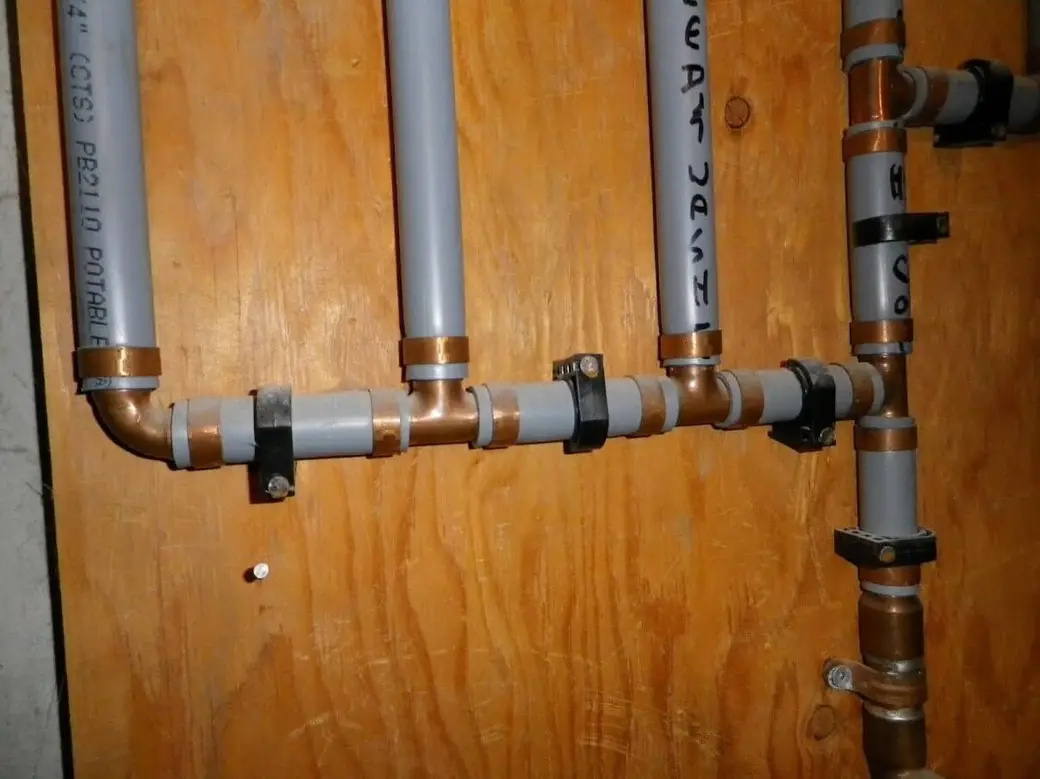
What Does Polybutylene Look Like?
According to the International Association of Certified Home Inspectors (InterNACHI), polybutylene pipes are commonly:
-
Gray in color, although other colors exist
-
Flexible rather than rigid
-
Marked with the code PB2110
-
Connected using various plastic or metal fittings
-
Approximately one-half inch to one inch in diameter
Polybutylene was used for water supply piping, not ordinary household drain, waste, or vent lines.
Where Can You Look?
If you're touring an older home in Woodbridge, visible plumbing may be found near:
Water Heater
Look at accessible pipes supplying water to and from the heater.
Unfinished Basement
Some homes have exposed supply lines running along the ceiling or walls.
Utility Room
Accessible plumbing connections may be visible near equipment.
Under Sinks
Check exposed supply pipes, although these sections may have been replaced with different materials.
Main Water Shutoff
The incoming water service line may also be worth checking.
However, pipe color alone is not enough to identify polybutylene.
Other plastic plumbing materials can look similar.
Buyer tip: Ask your home inspector or a qualified plumber to identify the actual piping material. Don't rely on appearance alone.
2. Understand Why Polybutylene Pipes Can Be a Concern
Polybutylene became popular because it was relatively inexpensive and easy to install.
However, reports of premature failures led to major concerns about the material.
According to InterNACHI, certain disinfectants used in water supplies can contribute to deterioration inside polybutylene piping.
Problems may also occur at fittings or connections.
Potential consequences of a plumbing failure include:
-
Water leaking inside walls
-
Damage to flooring and ceilings
-
Damaged cabinets or fixtures
-
Moisture intrusion
-
Mold growth
-
Unexpected repair expenses
Can Polybutylene Pipes Fail Without Warning?
Yes, that is one concern associated with the material.
Some deterioration can occur internally, meaning there may be no obvious visible warning before a leak develops.
A pipe that appears normal from the outside isn't necessarily free of hidden deterioration.
However, that doesn't mean every polybutylene pipe will fail immediately or that every home containing it has already experienced water damage.
The important question is whether you're financially and practically prepared to own a property with a plumbing system known to have reliability concerns.
Is Polybutylene the Same as PEX?
No.
Polybutylene and PEX are different plumbing materials.
PEX, or cross-linked polyethylene, is commonly used in modern residential water supply systems.
Polybutylene is the older material associated with the historical failure concerns discussed in this article.
If the seller says the home has plastic plumbing, ask for the specific material rather than assuming it is polybutylene.
3. Arrange a Professional Plumbing Inspection
A general home inspection is a valuable part of purchasing a property.
However, it may not identify every hidden plumbing issue.
For example, an inspector may notice polybutylene pipes in the basement but may not be able to determine the condition of piping concealed behind finished walls.
InterNACHI explains that internal deterioration of polybutylene cannot reliably be identified through an ordinary visual inspection.
What Should You Ask a Plumber?
If polybutylene is identified, consider arranging an evaluation by an appropriately licensed plumbing professional.
Ask the plumber to review:
Visible Pipe Materials
Is the exposed supply piping actually polybutylene?
System Coverage
Does the home contain polybutylene throughout the water supply system or only in certain sections?
Connections and Fittings
Are there visible leaks, corrosion, damage, or previous repairs?
Water Damage
Are there signs of moisture around accessible plumbing locations?
Previous Replacement Work
Have some sections already been replaced with copper, PEX, or another material?
Recommended Next Steps
Does the plumber recommend monitoring, further investigation, partial replacement, or complete repiping?
What About Pressure Testing?
A plumbing pressure test may help identify certain existing leaks or pressure-related problems.
However, passing a pressure test does not guarantee that polybutylene pipes will remain reliable in the future.
A standard inspection cannot predict exactly when a particular pipe might fail.
Buyer tip: Make sure specialized plumbing inspections are arranged within the deadlines established by your purchase agreement.
4. Find Out Whether the Plumbing Has Been Partially or Fully Replaced
This is an important detail that buyers sometimes overlook.
A seller might say:
"The plumbing was updated five years ago."
But what does that actually mean?
The homeowner may have replaced a leaking pipe under the kitchen sink.
Another homeowner may have completed a whole-house repiping project.
Those are very different situations.
Partial Plumbing Replacement
A partial replacement means certain sections were upgraded while other original piping may remain.
For example, the home might have new PEX supply lines serving the bathrooms but retain polybutylene in another area.
Complete Repiping
A complete repiping project generally involves replacing the relevant water distribution lines throughout the home.
However, the exact scope still needs to be confirmed.
Even after interior repiping, the property's underground water service line may be made of a different material or may not have been replaced.
What Documentation Should You Request?
Ask the seller whether the following records are available:
-
Plumbing contractor invoices
-
Repair and replacement dates
-
Description of the completed work
-
Materials used
-
Permits and inspection approvals, where required
-
Warranty documents
-
Photographs of accessible work
Don't assume that a home has been completely repiped simply because some visible sections have modern plumbing.
Buyer tip: Ask the plumber to explain what was replaced, what remains, and whether any important sections are concealed or inaccessible.
5. Check Homeowners Insurance Before Making a Final Decision
One of the most important financial questions is whether you can obtain suitable homeowners insurance.
Some insurance companies consider the type of plumbing installed in a property when evaluating coverage.
A plumbing system associated with a higher risk of water damage may affect underwriting decisions.
Depending on the insurer and property, polybutylene piping could lead to:
-
Additional underwriting questions
-
Different insurance premiums
-
Coverage restrictions
-
A requirement to replace certain plumbing
-
Difficulty obtaining a suitable policy
However, not every insurance company treats polybutylene plumbing the same way.
There is no universal rule that every home with polybutylene pipes is automatically uninsurable.
Questions to Ask Your Insurance Provider
Before purchasing, consider asking:
Will you insure this property with its existing plumbing?
Provide accurate information about the pipes.
Are there any special conditions?
Ask whether the insurer requires repairs or replacement within a certain period.
How will water damage be covered?
Confirm the applicable policy terms, exclusions, and deductibles.
Will the premium change after repiping?
Ask whether replacing the plumbing could affect eligibility or pricing.
What documentation is required?
The insurer may request an inspection report or proof of completed replacement.
Why Should You Ask Before Closing?
Most buyers purchasing a home with mortgage financing need to arrange appropriate property insurance.
Discovering an insurance problem just before settlement can create unnecessary complications.
Buyer tip: Contact an insurance agent early and request a property-specific quote based on the actual plumbing condition.
Don't wait until the final week before closing to investigate coverage.
6. Get a Whole-House Repiping Estimate
If the home contains polybutylene pipes, one option worth evaluating is replacing the existing system.
However, replacement can be a significant project.
Before making a decision, obtain a written estimate from a qualified plumbing contractor.
What Affects Repiping Costs?
The total expense depends on several factors.
Home Size
A larger house may require more materials and labor.
Number of Bathrooms
More fixtures can increase the complexity of the project.
Pipe Accessibility
Replacing exposed basement plumbing may be easier than replacing lines concealed behind finished walls.
Home Layout
Multiple floors and difficult-to-access areas can increase labor requirements.
Replacement Material
The contractor may recommend an appropriate modern plumbing material based on the property's needs and applicable code requirements.
Wall and Ceiling Repairs
Accessing concealed pipes may require removing and restoring drywall, paint, or other finishes.
Permits and Inspections
Certain plumbing alterations may require local approvals.
What About Prince William County Permits?
Prince William County distinguishes ordinary fixture replacement from work that alters a water supply system.
The county's permit guidance identifies some fixture replacements that do not require permits when the supply or drainage systems are not altered.
A whole-house repiping project is different from simply replacing a sink or faucet.
Before starting substantial plumbing work, confirm the applicable permit and inspection requirements with Prince William County Development Services.
Official resource:
https://www.pwcva.gov/department/building-development-division/do-i-need-permit
What Should a Repiping Quote Include?
Ask the contractor to specify:
-
Which pipes will be removed or abandoned
-
Which sections will be replaced
-
Whether the incoming water service line is included
-
The proposed replacement materials
-
Required permits
-
Expected project duration
-
Water service interruptions
-
Wall and ceiling restoration
-
Warranty terms
-
Total estimated cost
For example, one contractor's estimate may include only plumbing work, while another includes drywall repairs and painting.
Compare the full scope rather than choosing based on the lowest number alone.
Buyer tip: A written estimate gives you a more realistic basis for evaluating the property and discussing potential negotiations.
7. Understand Your Options Before Closing
Suppose you're buying a townhouse in Dale City.
During the home inspection, the inspector identifies polybutylene plumbing throughout several accessible areas.
What should you do?
First, obtain appropriate professional advice.
Next, review the property inspection findings, insurance options, possible replacement costs, and purchase agreement.
Depending on the contract, your options may include:
Requesting Replacement Before Closing
You may ask the seller to arrange an agreed plumbing replacement before settlement.
If work is negotiated, make sure the agreement explains the scope, contractor requirements, completion deadlines, and necessary documentation.
Negotiating the Purchase Price
You may discuss a different purchase price that accounts for the property's condition and expected future expenses.
Requesting an Eligible Seller Credit
Depending on the loan program, the seller may agree to contribute toward eligible closing expenses.
A closing-cost credit is not automatically cash available for any repair purpose.
Accepting the Property's Condition
You may decide to proceed after reviewing professional findings, insurance options, and the financial implications.
Exercising an Applicable Contractual Right
If your purchase agreement provides a valid inspection-related termination right and you follow the required procedures, you may be able to end the transaction.
However, none of these options is guaranteed.
The seller is not automatically required to replace all polybutylene piping simply because the home contains that material.
Your rights and obligations depend on the purchase contract and applicable law.
Does Virginia Require Sellers to Disclose Polybutylene Pipes?
Virginia's Residential Property Disclosure Act generally emphasizes buyer due diligence.
The state's Residential Property Disclosure Statement, effective July 1, 2026, advises purchasers to investigate property conditions and obtain appropriate inspections.
However, additional legal and professional duties may apply.
Virginia REALTORS® has also addressed the specific issue of polybutylene pipes.
Its legal guidance explains that properly functioning polybutylene pipes are not necessarily a current defect simply because of their material.
However, the known risks associated with polybutylene may make their presence a pertinent fact in a real estate transaction, and the organization recommends that REALTORS® disclose the presence of such piping when they know about it.
That professional guidance is not the same as a blanket statutory requirement for every homeowner.
Buyers should also remember that real estate licensees have duties regarding certain material adverse facts they actually know.
What Should Buyers Do?
Do not rely exclusively on the seller's disclosures.
Arrange the inspections you consider necessary and ask direct questions about the plumbing.
If the property's history or your contractual rights are unclear, obtain advice from a qualified Virginia real estate attorney.
Official resources:
Virginia Residential Property Disclosures:
https://www.dpor.virginia.gov/Consumers/Residential_Property_Disclosures
Virginia REALTORS® Polybutylene Guidance:
Can a Home With Polybutylene Pipes Still Be a Good Purchase?
Potentially, yes.
Finding polybutylene plumbing does not automatically mean that a property is unsuitable for purchase.
However, buyers should carefully consider the risks and potential costs.
For example, a home may have a desirable location, a suitable layout, and an attractive price.
If you understand the plumbing concerns, obtain appropriate insurance, and have sufficient funds for potential replacement, you may still decide the property meets your needs.
On the other hand, a buyer with a limited repair budget may prefer a home with a documented modern plumbing system.
What About Resale Value?
Polybutylene plumbing can influence buyer interest, but there is no reliable rule that every home containing it sells for a particular percentage less.
Its impact depends on the property's overall condition, local market demand, available documentation, and buyer preferences.
A local Comparative Market Analysis can help you understand how the property compares with other homes in Woodbridge and surrounding communities.
The best decision comes from reviewing the complete property and financial picture—not focusing on just one feature.
Frequently Asked Questions About Polybutylene Pipes
Are polybutylene pipes common in older Virginia homes?
Polybutylene was used in many U.S. homes from the late 1970s through the mid-1990s. However, not every Virginia home built during that period contains it.
How can I tell if a home has polybutylene plumbing?
Look for accessible flexible plastic supply pipes, often gray, marked PB2110. A qualified home inspector or plumber should confirm the material.
Are polybutylene pipes the same as PEX?
No. They are different plastic plumbing materials with different characteristics and histories.
Will a home inspection identify every polybutylene pipe?
Not necessarily. Some pipes may be concealed inside walls, floors, or other inaccessible areas.
Can polybutylene pipes fail even if there are no visible leaks?
Yes. Some deterioration can occur internally, and visible condition alone cannot reliably establish the system's future performance.
Will homeowners insurance cover a house with polybutylene plumbing?
It depends on the insurer, the property, and the policy. Confirm eligibility and coverage before closing.
Does Virginia require every home with polybutylene pipes to be repiped before sale?
There is no universal Virginia requirement that every home must be completely repiped simply because polybutylene is present. Other code, safety, contractual, or lender requirements may apply to particular situations.
Should I replace polybutylene pipes immediately after buying?
Discuss the property's condition and replacement options with a qualified plumber. Your decision should consider the risks, insurance requirements, and available budget.
Thinking About Buying a Home in Woodbridge, VA?
Finding the right home involves more than choosing a property with the right number of bedrooms, attractive finishes, or a convenient location.
Understanding the home's plumbing materials, inspection findings, and possible future maintenance expenses can help you make a more informed decision.
Whether you're exploring homes in Woodbridge, Dale City, Lake Ridge, Dumfries, or elsewhere in Prince William County, taking the time to investigate important property features can help you plan for homeownership.
Josue Ruiz | Ruiz Realty Group helps homebuyers explore available properties, compare local neighborhoods, and navigate the Northern Virginia real estate market.
Ready to Find Your Next Home in Prince William County?
Explore available homes and connect with Josue to discuss your buying goals.
Visit: https://realtorforvirginia.com/
Josue Ruiz | Ruiz Realty Group | Samson Properties
Call or Text: (703) 975-0021
Your Local Real Estate Resource in Prince William County, Virginia.
Disclaimer: This article provides general real estate information and is not plumbing, insurance, legal, mortgage, or financial advice. Property-specific conditions and requirements should be reviewed with qualified professionals.
Categories
Recent Posts







"My job is to find and attract mastery-based agents to the office, protect the culture, and make sure everyone is happy! "