
Selling a Home in Woodbridge, VA With an Aging Deck? 7 Things to Check Before Listing
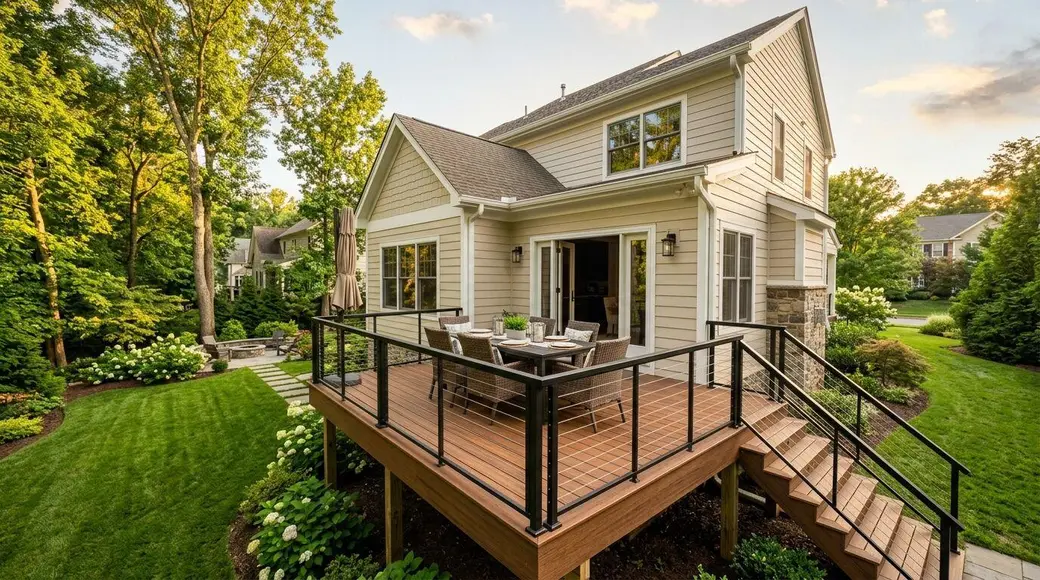
If you're preparing to sell your home in Woodbridge, Dale City, Lake Ridge, Dumfries, or Prince William County, Virginia, your outdoor living space may be an important part of the property's appeal.
A backyard deck can create an inviting place for entertaining, relaxing, or enjoying the outdoors.
But what happens when the deck is getting older?
Maybe the boards are beginning to show wear. Perhaps the railings feel loose, or you're not sure when the structure was last inspected.
Now you're wondering:
"Should I repair my old deck before selling, replace it completely, or leave it as it is?"
The answer depends on the deck's condition, safety, repair costs, and what buyers may expect from a property in your area.
A deck that looks weathered isn't necessarily unsafe. At the same time, a freshly painted deck isn't automatically structurally sound.
Before listing your home in Woodbridge, here are seven important things to check.
1. Check the Deck Boards for Rot and Deterioration
Start by looking at the visible surface of your deck.
Wooden decks are exposed to rain, sunlight, temperature changes, and moisture throughout the year.
Over time, these conditions can contribute to wear and deterioration.
Look for signs such as:
-
Cracked or splitting boards
-
Loose or damaged decking
-
Soft or decaying wood
-
Raised fasteners
-
Areas that appear unusually worn
-
Discoloration associated with moisture
-
Boards that feel unstable
However, visible surface wear does not always mean that the entire deck needs replacement.
For example, a few weathered boards may be repairable, while widespread deterioration could suggest a more substantial problem.
The North American Deck and Railing Association (NADRA) recommends checking for split or decaying wood in several parts of the structure, including the deck surface, supports, railings, and stairs.
What About Composite Decking?
Composite deck boards have different maintenance characteristics from traditional wood.
However, the framing underneath a composite deck may still be constructed from wood.
That means a deck with an attractive composite surface can still have structural concerns below.
Seller tip: Don't base your assessment only on how the deck boards look from above.
If you suspect deterioration, have a qualified deck professional examine the structure before arranging cosmetic repairs.
2. Inspect Where the Deck Connects to the House
One of the most important parts of an attached deck is the connection between the deck and the home.
This connection often involves a component called the ledger board.
The ledger board helps connect the deck framing to the building.
If the connection is damaged or improperly installed, it can create a serious safety concern.
For example, imagine you're preparing to sell a townhouse in Woodbridge.
The deck looks attractive, but the connection to the house has deteriorated because water entered behind the ledger.
Simply staining the deck boards will not fix that problem.
What Should a Professional Check?
A qualified inspector or deck contractor may evaluate:
Ledger Board Condition
Is there visible decay, splitting, or deterioration?
Fasteners and Connections
Are appropriate connectors present, and are there signs of corrosion or improper installation?
Flashing
Is there appropriate protection to help direct water away from the connection?
Movement
Are there signs of separation between the deck and the house?
Surrounding Building Materials
Is there evidence of water damage near the attachment point?
NADRA identifies ledger connections as an important area in deck inspections.
Important: Do not attempt to test an older deck's strength by jumping on it, shaking it, or placing additional weight on the structure.
If you suspect a connection problem, restrict access and arrange a professional evaluation.
3. Examine the Railings and Stairs
Railings and stairs are especially important when preparing a property for showings.
A buyer might notice a loose railing while walking onto the deck or using the stairs to reach the backyard.
Even when the deck surface looks acceptable, damaged railings or stairs can raise safety concerns.
Deck Railings
Check for signs such as:
-
Loose railing posts
-
Damaged balusters
-
Missing components
-
Cracked or decaying wood
-
Corroded connectors
-
Visible movement
-
Improperly completed past repairs
Deck Stairs
Pay attention to:
-
Loose stair treads
-
Damaged stringers
-
Uneven or deteriorating steps
-
Missing or unstable handrails
-
Problems where stairs connect to the deck
-
Settlement near the base of the stairway
The appropriate guardrail and stair requirements depend on the deck's design and applicable building code.
Don't assume that a railing is compliant simply because it has been there for many years.
Are Guardrail Repairs Subject to Permits?
Prince William County states that guardrail replacement on an existing deck requires a building permit.
This is important because homeowners may assume replacing a railing is always a minor cosmetic project.
Before hiring a contractor, confirm whether the proposed work requires county review and approval.
Official resource:
https://www.pwcva.gov/department/building-development-division/residential-deck/
Seller tip: If any part of the railing or stairs appears unsafe, stop using the affected area until a qualified professional has evaluated it.
Do not allow visitors to use a potentially unsafe deck during showings.
4. Look Beneath the Deck at Posts, Beams, and Supports
The visible deck surface is only part of the structure.
Supporting components underneath the deck help transfer its weight to the ground.
Depending on the design, these may include:
Posts
Vertical supports carrying the deck framing.
Beams
Horizontal members supporting the joists.
Joists
Framing members supporting the deck boards.
Footings
Structural foundations that help support the deck.
Connectors
Hardware attaching the various structural components.
A qualified professional may look for evidence of damage, deterioration, movement, or improperly installed connections.
Why Is the Area Under the Deck Important?
Imagine you're selling a detached home in Lake Ridge.
The backyard deck has been cleaned, freshly stained, and prepared for photographs.
However, one of the supporting posts has significant decay near the ground.
That issue may not be obvious from the deck surface.
A buyer's home inspector could identify it during the inspection period.
What About Posts Touching the Ground?
Wood components near or in contact with soil can be exposed to persistent moisture.
The correct treatment and installation method depend on the structural design and applicable building requirements.
A qualified deck inspector can assess whether the visible components are suitable for their intended use.
Seller tip: Don't cover damaged structural components with trim or decorative panels to improve their appearance.
Structural problems should be properly evaluated and addressed rather than concealed.
5. Check for Water Damage and Drainage Problems
Moisture can affect both the appearance and the performance of a deck.
Certain areas may remain damp longer than others because of shade, drainage patterns, or water collecting near the structure.
Before listing, examine how water moves around the deck and the house.
Areas Worth Checking
Where the Deck Meets the House
Look for evidence of water entering the connection area.
Under the Deck
Is water collecting beneath the structure?
Deck Surface
Do certain boards remain wet for unusually long periods?
Around Posts
Is the surrounding ground consistently damp?
Near Downspouts
Are gutters directing large amounts of water toward the deck?
Beside Exterior Doors
Are there signs of water intrusion near the doorway leading onto the deck?
Why Does Flashing Matter?
Flashing helps direct water away from vulnerable building connections.
When improperly installed, damaged, or missing, moisture may enter areas that are difficult to inspect.
NADRA's deck safety guidance recommends evaluating flashing at deck-to-house connections.
If water damage is suspected, a qualified professional may need to inspect the deck and adjacent building materials.
Should You Pressure-Wash an Old Deck?
Cleaning can improve presentation, but aggressive pressure washing may damage certain deck surfaces.
Follow the decking manufacturer's guidance or hire an experienced professional.
More importantly, cleaning does not correct structural deterioration.
Seller tip: Address the moisture source before spending money on staining or refinishing.
6. Verify Deck Permits, County Inspections, and HOA Requirements
This is one of the most important local considerations for Woodbridge homeowners.
Prince William County has specific zoning and building requirements for residential decks.
Does Every Deck Need a Building Permit?
Not every deck requires the same approvals.
According to Prince William County, a building permit is generally required for:
-
Construction of a new residential deck
-
Structural alterations to an existing deck
-
Guardrail replacement on an existing deck
The county provides an exception for certain very low decks.
Specifically, when all portions of the top of the deck flooring are within 16½ inches of the finished grade, a building permit generally is not required unless the deck supports an additional load, such as a hot tub.
However, zoning approval is still required for deck construction, including decks that are exempt from building permits.
Other requirements may apply depending on the project.
How Can You Check the Permit History?
Start by gathering available documents.
These may include:
Original Building Permit
Shows whether a permit was issued for the deck.
Approved Plans
May identify the approved deck layout and dimensions.
Inspection Records
Help confirm whether required inspections were completed.
Contractor Invoices
Provide information about construction or major repairs.
Previous Renovation Records
May help establish when the deck was enlarged, rebuilt, or modified.
Prince William County provides an online ePortal where property owners can search available permit and inspection records.
Official resource:
https://www.pwcva.gov/department/development-services/eportal-access
If the deck was built by a previous owner, you may need to contact the county for additional information.
An unavailable online record does not automatically establish that construction was unpermitted.
What If Your Property Has an HOA?
Homeowners associations may have separate architectural approval requirements.
For example, an HOA might require approval before replacing a deck, changing railing materials, or altering the deck's size.
Review your association's governing documents before starting work.
Seller tip: Check both county requirements and any applicable HOA rules before committing to deck repairs or replacement.
7. Decide Whether to Repair, Replace, or Sell With the Existing Deck
After reviewing the deck's condition, you can decide how to prepare it for the market.
Not every older deck needs a complete replacement before a home is listed.
The right decision depends on structural safety, estimated repair expenses, your selling timeline, and local market conditions.
Option 1: Make Necessary Repairs
If a qualified professional identifies limited, repairable issues, addressing those problems may be practical.
For example, certain damaged deck boards or other individual components may be replaceable.
However, structural repairs should follow the professional's recommendations and applicable permit requirements.
Option 2: Replace the Deck
If the structure has extensive deterioration or serious safety problems, replacing the deck may be worth considering.
Before doing so, request written estimates and confirm zoning, permit, and HOA requirements.
Remember that a new deck can be a substantial investment.
Option 3: Sell the Property in Its Current Condition
You may decide to market the property with an existing deck that requires work.
However, its condition should be represented accurately, and unsafe access should be restricted.
Potential buyers may consider repair costs when making an offer.
Your purchase contract and applicable legal requirements will determine the parties' rights and obligations.
Option 4: Negotiate After the Buyer's Inspection
A buyer may request repairs, a purchase price adjustment, or an eligible closing-cost credit.
The outcome depends on the inspection findings and negotiated contract terms.
The seller is not automatically required to accept every request.
How Should You Compare the Options?
Ask yourself:
What work is needed for safety?
Safety concerns deserve attention before cosmetic improvements.
How much will the work cost?
Obtain written estimates from appropriately qualified contractors.
How long will repairs take?
Consider permit review, materials, and contractor availability.
Will the work affect the listing schedule?
Major construction can delay photography, showings, and marketing.
What does the local market support?
Compare your home with relevant recent sales and competing listings.
Seller tip: Don't assume that a new deck will increase your selling price by the full amount you spend replacing it.
Should You Stain or Refinish Your Deck Before Selling?
If your deck has been professionally evaluated and is in suitable condition, refinishing may improve its appearance.
Depending on the material, that might involve cleaning, appropriate surface preparation, and applying a suitable protective finish.
However, refinishing should not be used to conceal signs of significant deterioration.
Preparing for Listing Photos
Once the deck is safe and ready to present, consider:
Clean Outdoor Furniture
Keep the space inviting without overcrowding it.
Remove Clutter
Store unnecessary tools, damaged decorations, and unused equipment.
Maintain Nearby Landscaping
Trim overgrown plants and tidy surrounding garden areas.
Check Exterior Lighting
Ensure applicable fixtures are operating properly.
Photograph the Full Space
Show how the deck connects to the home and backyard.
For a Woodbridge townhouse, a clean photograph of the deck and outdoor seating area may help buyers understand the available outdoor space.
What About Fall and Winter Listings?
If you're listing in November, the deck may not look as inviting as it did during summer.
You can use accurate photographs from a previous season when they still represent the property's condition.
However, avoid using old images that hide current damage or significant changes.
The goal is to present the deck attractively and accurately—not make it look newer than it is.
Do Virginia Sellers Have to Disclose Deck Problems?
Virginia's Residential Property Disclosure Act generally emphasizes buyer due diligence.
The state's Residential Property Disclosure Statement, effective July 1, 2026, advises purchasers to investigate the property's condition.
However, additional duties can apply.
Under Virginia Code § 54.1-2131, a seller's real estate licensee must disclose in writing material adverse facts about the physical condition of the property that the licensee actually knows.
Sellers and agents must also avoid false or misleading statements.
For example, if you know that a deck has a serious structural problem, do not advertise it as newly certified safe without supporting documentation.
Virginia also has specific disclosure requirements concerning certain pending building code enforcement actions and unresolved zoning violations.
If your deck has a known structural issue, an outstanding enforcement matter, or an uncertain permit history, consult the appropriate professionals about your legal obligations.
Official resource:
https://www.dpor.virginia.gov/Consumers/Residential_Property_Disclosures
Seller tip: An "as-is" sale does not automatically remove applicable disclosure requirements or other legal duties.
Can an Aging Deck Affect Your Home's Value?
Potentially.
A well-maintained deck may appeal to buyers looking for outdoor living space.
However, an unsafe or deteriorating deck can create additional concerns.
The impact depends on factors such as:
-
The deck's condition
-
Its size and usefulness
-
Safety and inspection findings
-
Repair or replacement costs
-
Property location
-
Buyer preferences
-
Comparable sales
-
Current competition
For example, a Woodbridge home with an attractive, usable deck may appeal to buyers who enjoy outdoor entertaining.
Another property with a deck requiring major structural work may need a different marketing or pricing strategy.
However, there is no reliable rule that every older deck reduces property value by a fixed percentage.
A Comparative Market Analysis can help you evaluate how your property compares with similar homes.
Frequently Asked Questions About Selling a Home With an Older Deck
Can I sell my Woodbridge home if the deck is old?
Generally, yes. Age alone does not automatically prevent a home sale, although safety, condition, and other requirements should be addressed.
Should I replace my deck before selling?
Not necessarily. Have its condition evaluated and compare the costs and potential benefits before deciding.
Does Prince William County require a permit to replace deck railings?
Yes. The county identifies guardrail replacement on an existing deck as work requiring a building permit.
Does a low deck need a building permit?
Certain decks with flooring no more than 16½ inches above finished grade may qualify for a building permit exception, provided they do not support additional loads. Zoning approval is still required for deck construction.
Will a home inspector examine the deck?
A home inspector may evaluate accessible, visible deck components. However, a specialized deck inspection may be appropriate when there are structural concerns.
Can I stain an old deck instead of repairing it?
Staining may improve appearance, but it does not correct unsafe connections, rotten framing, or other structural problems.
Can buyers request deck repairs after inspection?
Yes. Buyers may request repairs or other concessions, depending on the contract. Sellers are not automatically required to agree.
Does a new deck guarantee a higher selling price?
No. Its contribution to market value depends on comparable sales, buyer preferences, and the property's overall condition.
Thinking About Selling Your Home in Woodbridge, VA?
An aging deck doesn't automatically mean your home will be difficult to sell.
However, understanding its condition before listing can help you make informed decisions about safety, repairs, presentation, and pricing.
Whether you're selling in Woodbridge, Dale City, Lake Ridge, Dumfries, or elsewhere in Prince William County, the right preparation starts with evaluating your property's actual condition and current market position.
Josue Ruiz | Ruiz Realty Group helps Northern Virginia homeowners compare local properties, understand market conditions, and prepare for their next move.
Wondering What Your Woodbridge Home Could Be Worth?
Start with a free home valuation and discuss your selling goals with Josue.
Visit: https://realtorforvirginia.com/
Josue Ruiz | Ruiz Realty Group | Samson Properties
Call or Text: (703) 975-0021
Your Local Real Estate Resource in Prince William County, Virginia.
Disclaimer: This article provides general real estate information and is not structural engineering, building code, legal, or financial advice. Deck safety, permits, and repair requirements should be verified with qualified professionals and the appropriate local authorities.
Categories
Recent Posts






"My job is to find and attract mastery-based agents to the office, protect the culture, and make sure everyone is happy! "