
Buying a Condo in Woodbridge, VA? Watch Out for Special Assessments and Hidden Costs
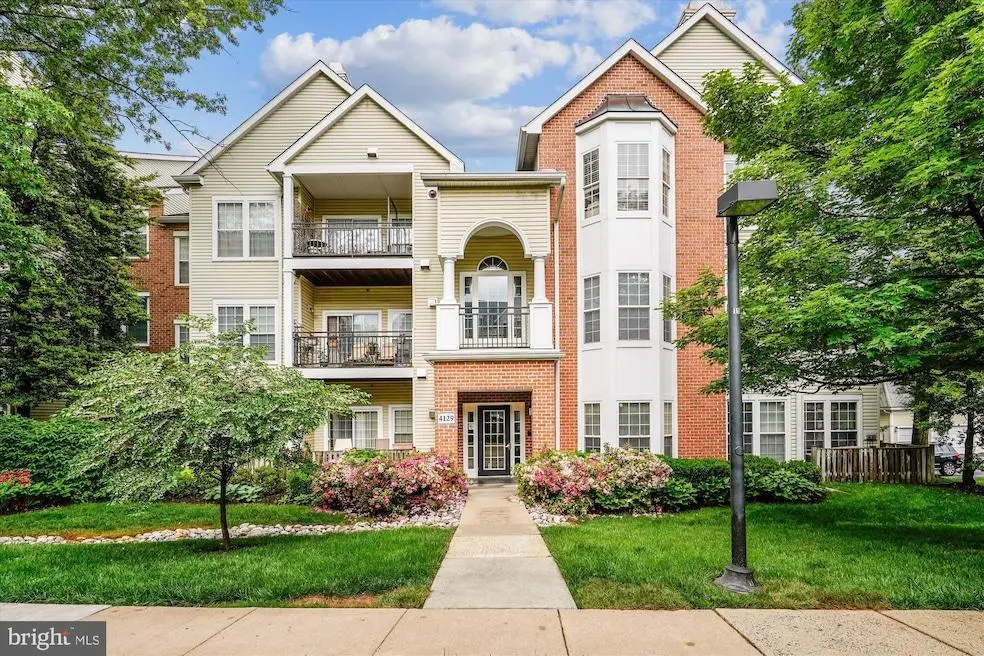
Buying a condominium in Woodbridge, Lake Ridge, Dale City, or Prince William County, Virginia may seem like a practical way to own a home with fewer exterior maintenance responsibilities.
But before purchasing a condo, there's an important question you should ask:
"Could I be responsible for an unexpected bill from the condominium association after moving in?"
The answer is yes, depending on the association's finances, governing documents, and approved assessments.
A condo's purchase price and monthly association fee don't always tell you the full story about the cost of ownership.
Before buying a condo in Woodbridge, here are seven important financial checks to make.
1. Understand What a Condo Special Assessment Is
A special assessment is an additional charge that a condominium association may collect from unit owners to cover certain expenses.
Unlike regular association fees, a special assessment may be used to fund expenses that are not adequately covered by the association's existing budget or reserves.
For example, a condominium community may need money for:
-
Major roof replacements
-
Building exterior repairs
-
Parking lot resurfacing
-
Structural improvements
-
Plumbing system repairs
-
Elevator replacement
-
Other major common-area projects
Imagine purchasing a condo in Woodbridge and discovering that the association has approved a substantial building repair project.
Depending on the governing documents and the purchase agreement, you could face additional expenses.
Buyer tip: Before purchasing, find out whether any special assessments have been approved, are being considered, or remain unpaid.
2. Look Beyond the Monthly Condo Fee
Many buyers compare condos based on the listing price and monthly association fee.
However, two condos with similar monthly fees may have very different financial conditions.
For example:
Condo A: Monthly association fee of $300.
Condo B: Monthly association fee of $400.
At first glance, Condo A may seem more affordable.
But suppose Condo A has aging roofs, limited reserve funds, and major repairs planned.
Meanwhile, Condo B may have a stronger maintenance history and better funding for future repairs.
The lower monthly fee does not automatically make Condo A the better financial choice.
These figures are hypothetical and do not represent actual association fees in Woodbridge.
The important question isn't only how much the condo fee costs. It's also what that fee covers and whether the association is financially prepared for future expenses.
3. Review the Condominium Association's Reserve Funds
Reserve funds are money set aside by an association for major repairs and replacements.
For example, a condominium association may need to plan for future work involving roofs, siding, elevators, or common-area equipment.
Under Virginia Code § 55.1-1965, condominium associations generally must conduct a reserve study at least once every five years, subject to the applicable condominium instruments.
The association must also review the results annually and consider necessary budget adjustments.
A reserve study helps estimate:
-
Which major components may need repairs or replacement
-
Their expected remaining useful life
-
Estimated replacement costs
-
Available reserve funding
-
Recommended future contributions
However, having a reserve study does not automatically mean the association has enough money saved.
Before purchasing, review both the reserve study and the association's actual financial position.
Official resource:
https://law.lis.virginia.gov/vacode/title55.1/chapter19/section55.1-1965/
4. Request and Review the Resale Certificate
When purchasing a resale condominium in Virginia, the resale certificate is one of the most important documents to review.
Under Virginia's Resale Disclosure Act, the seller or seller's agent generally must obtain and provide the resale certificate to the buyer, unless an exemption applies.
The certificate provides information about the common interest community and its association.
It may include:
-
Current regular assessments
-
Approved special assessments
-
Outstanding amounts owed by the seller
-
Association financial statements
-
Current operating budget
-
Reserve study information
-
Association insurance information
-
Governing documents and rules
-
Certain litigation or legal concerns
-
Approved board meeting minutes
This information can help buyers evaluate expenses and association responsibilities before closing.
You can review Virginia's resale certificate requirements through the Department of Professional and Occupational Regulation:
https://www.dpor.virginia.gov/Boards/CIC-Board
Buyer tip: Don't treat the resale certificate as routine paperwork. Review it carefully and ask questions about anything you don't understand.
5. Check for Upcoming Repairs and Major Projects
One important question to ask is whether the condominium association has planned major projects.
For example, a community may be preparing to replace roofs, repair building exteriors, or complete significant common-area improvements.
These projects may be necessary to maintain the property's condition.
However, buyers should understand how the work will be funded.
Consider asking:
Has the project been approved?
An approved project may already have an established budget or funding plan.
Will owners need to pay additional fees?
Find out whether the association plans to use reserves, collect a special assessment, borrow money, or use another funding method.
When will the work begin?
Major repairs may temporarily affect access, parking, amenities, or other aspects of daily living.
Are there unresolved building concerns?
If engineering reports or other documents identify significant issues, consider obtaining qualified professional advice.
Reviewing this information can help you understand the property's condition beyond the interior of the individual unit.
6. Find Out Whether the Condo Qualifies for Your Mortgage
Buying a condo can involve additional mortgage requirements compared with purchasing some detached homes.
Your lender may need to review the condominium project itself, not just your income, credit, and down payment.
Depending on the loan program, the review may consider:
-
Association finances
-
Reserve funding
-
Insurance coverage
-
Major deferred maintenance
-
Pending litigation
-
Special assessments
-
Other condominium project eligibility requirements
For example, Fannie Mae has specific guidelines concerning condominium projects with critical repair needs and significant deferred maintenance.
Certain issues can affect whether a project qualifies for particular financing programs.
Important: Mortgage preapproval does not automatically guarantee that every condominium community will qualify for your chosen loan.
Before making an offer, ask your lender whether the property may require additional condominium project approval.
If financing problems arise, your options will depend on your loan program, the purchase agreement, and any applicable contingencies.
7. Confirm Who Will Pay Any Existing Special Assessment
Suppose the condominium association has already approved a special assessment before you purchase the property.
Who pays it?
The answer depends on the association's rules, the timing of the assessment, and the terms negotiated in the purchase agreement.
For example, the buyer and seller may negotiate how an existing special assessment will be handled at closing.
However, these arrangements must be properly documented.
Don't assume the seller automatically pays every existing assessment.
Likewise, don't assume every assessment will become your responsibility after purchasing.
Before closing, ask your real estate professional and settlement company to confirm:
-
Whether any approved special assessment exists
-
The total amount
-
The payment schedule
-
Any outstanding balance
-
Who will pay under the purchase contract
-
Whether updated association financial information is needed
Having these details confirmed in writing can help prevent unexpected expenses after settlement.
What If You Discover Financial Concerns in the Resale Certificate?
Virginia's Resale Disclosure Act provides certain cancellation rights for buyers.
Under Virginia Code § 55.1-2312, the applicable cancellation period depends on when the resale certificate is delivered and the terms of the purchase contract.
If no period is specified in the ratified agreement, a three-day period generally applies under the statute's relevant delivery rules.
If the required certificate or notice of unavailability has not been provided, the buyer may have a right to cancel before settlement.
However, buyers must follow the applicable requirements for written notice and contract deadlines.
Do not assume you can cancel at any time after reviewing the documents.
If you're concerned about a special assessment, association finances, or your contractual rights, seek appropriate professional or legal guidance before making a decision.
Official resource:
https://law.lis.virginia.gov/vacode/title55.1/chapter23.1/section55.1-2312/
Is Buying a Condo in Woodbridge, VA a Good Idea?
A condo may be a suitable option for buyers who want a particular location, a different maintenance arrangement, or a property that fits their budget.
However, buyers should compare more than purchase prices.
Consider:
-
Total monthly housing expenses
-
Association fees and coverage
-
Building condition
-
Reserve funds
-
Approved or potential assessments
-
Financing requirements
-
Insurance responsibilities
-
Parking and community restrictions
-
Long-term maintenance plans
Some condominium properties may also have more than one association, each with separate fees or responsibilities.
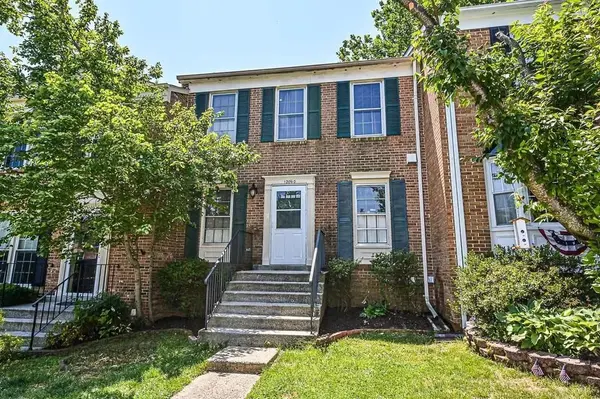
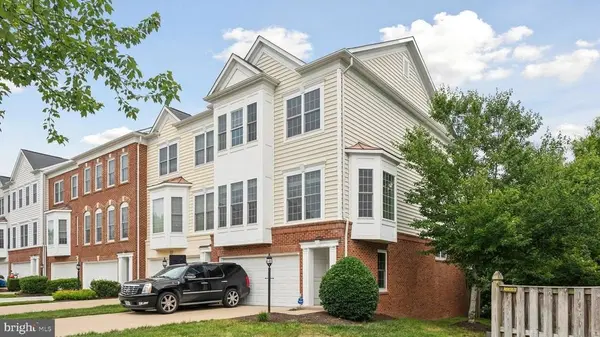
For townhome-style properties, verify whether the ownership is legally structured as a condominium or a fee-simple townhouse. The exterior appearance alone does not establish the ownership structure.
Understanding these details can help you compare properties more accurately.
Frequently Asked Questions About Buying a Condo in Woodbridge
What is a special assessment in a condominium?
A special assessment is an additional charge that an association may collect from owners for certain expenses, often related to major repairs or capital projects.
Can condo fees increase after I buy?
Yes. Association fees may change depending on budgets, operating costs, reserve needs, and the applicable governing documents.
Does a low monthly condo fee mean the property is cheaper to own?
Not necessarily. Buyers should also review insurance, reserve funding, maintenance responsibilities, and potential special assessments.
Can a special assessment affect my mortgage approval?
Potentially. Lenders may evaluate the purpose of an assessment and the project's financial or physical condition.
Should I review the condo association's financial statements?
Yes. Reviewing the financial documents and reserve information can help you understand the association's current position and future obligations.
Can I cancel a condo purchase after receiving the resale certificate?
Virginia law provides cancellation rights under certain circumstances, but deadlines and notice requirements apply. Review your contract carefully.
Should I choose a condo or townhouse in Prince William County?
That depends on your preferred property type, budget, maintenance responsibilities, ownership structure, and long-term goals.
Thinking About Buying a Condo in Woodbridge, VA?
Buying a condo involves more than selecting a property with the right number of bedrooms or an attractive listing price.
Understanding association finances, maintenance responsibilities, and potential additional expenses can help you make a more informed decision.
Whether you're searching in Woodbridge, Lake Ridge, Dale City, Dumfries, or anywhere in Prince William County, reviewing the full cost of ownership is an important part of the buying process.
Josue Ruiz | Ruiz Realty Group helps buyers explore local properties, compare communities, and understand the Northern Virginia real estate market.
Ready to Find Your Next Home in Prince William County?
Explore available properties and connect with Josue.
Visit: https://realtorforvirginia.com/
Josue Ruiz | Samson Properties
Call or Text: (703) 975-0021
Your Local Real Estate Resource in Prince William County, Virginia.
Disclaimer: This article provides general real estate information and is not legal, mortgage, insurance, or financial advice. Condominium documents and property-specific requirements should be reviewed with qualified professionals.
Categories
Recent Posts




"My job is to find and attract mastery-based agents to the office, protect the culture, and make sure everyone is happy! "