
Selling Your Home in Dale City, VA With Unpermitted Renovations? What You Should Know
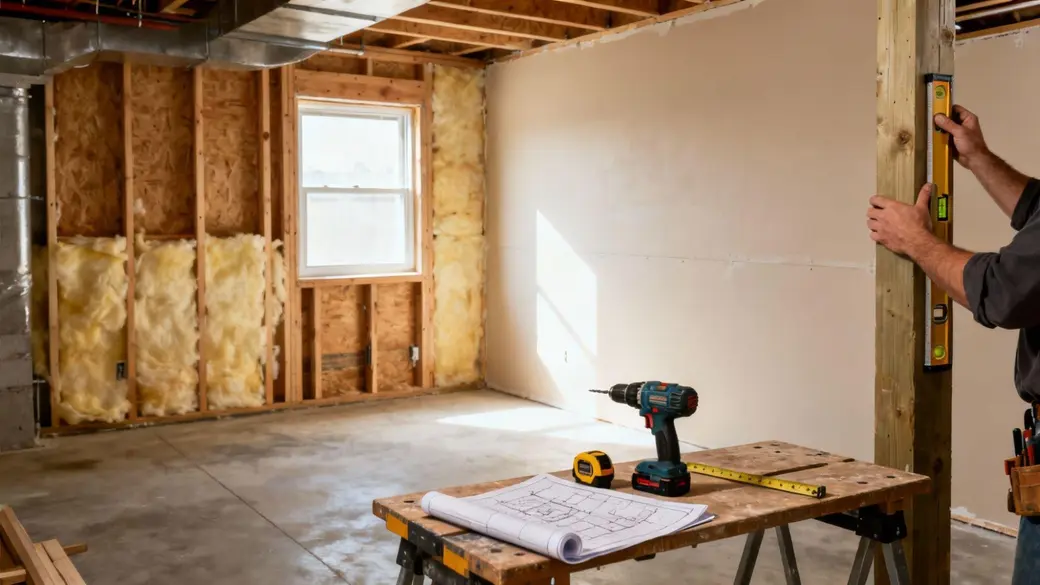
If you're planning to sell your home in Dale City, Woodbridge, Lake Ridge, or Prince William County, Virginia, you may have concerns about renovations completed without building permits.
Maybe you finished your basement several years ago. Perhaps you converted a garage into living space, added a bathroom, or purchased a home with improvements completed by a previous owner.
Now you're wondering:
"Can I still sell my house if some renovations were completed without permits?"
The short answer is possibly, yes.
However, missing permits can create questions about property safety, code compliance, financing, insurance, and the home's potential selling price.
Before listing your property, here are seven important things to know.
1. What Are Unpermitted Renovations?
Unpermitted renovations generally refer to construction or improvements completed without required government permits or approvals.
In Prince William County, certain residential projects require building permits, zoning approval, or inspections.
Examples of projects that may require permits include:
-
Finishing a basement
-
Adding a bathroom with new plumbing
-
Converting a garage into living space
-
Constructing a home addition
-
Building certain decks or other structures
-
Altering structural walls
-
Installing new electrical circuits
-
Making significant plumbing or HVAC changes
However, not every improvement requires a permit.
Ordinary cosmetic improvements such as painting, replacing flooring, or installing cabinets generally do not require a building permit when no regulated construction is involved.
Important: Always verify the requirements for the specific work. A missing permit record does not automatically mean an improvement was illegal.
Official resource:
https://www.pwcva.gov/department/building-development-division/do-i-need-permit
2. Can You Sell a Home With Unpermitted Work in Virginia?
A home with unpermitted improvements may still be sold.
However, the situation depends on the type of renovation, any applicable violations, the purchase agreement, and the buyer's financing and insurance requirements.
For example, imagine you're selling a home in Dale City with a finished basement that was completed several years ago.
You may not have the original permit paperwork.
That doesn't necessarily mean the property cannot be sold.
However, a buyer may want to verify whether the renovation was inspected and whether it meets applicable safety requirements.
The buyer could also request further inspections, documentation, repairs, or changes to the purchase terms.
The best approach is to understand the renovation's status before the property goes on the market.
3. How Can You Check Whether Renovations Were Permitted?
Start by reviewing your home improvement records.
Look for:
-
Building permits
-
Final inspection approvals
-
Contractor invoices
-
Renovation agreements
-
Building plans
-
Previous closing documents
-
HOA approvals, when applicable
If you cannot find the paperwork, Prince William County provides an online ePortal for development-related records and services.
You can also contact the county's Building Development Division to ask about permit requirements and available records.
Official resource:
https://www.pwcva.gov/department/development-services/eportal-access
If a previous owner completed the renovation, you may need additional research.
Remember that the absence of an easily located online record does not, by itself, establish whether a permit was required or obtained.
4. Can You Fix Unpermitted Renovations Before Selling?
Potentially, yes.
Prince William County provides a process for correcting and resolving unpermitted work.
Depending on the circumstances, that process may involve:
Step 1: Contacting the Appropriate County Office
Ask about the type of renovation and whether a permit or approval was required.
Step 2: Reviewing Zoning Requirements
Some improvements may require zoning approval in addition to building permits.
Step 3: Submitting Plans or Documentation
The county may require information about the construction and its intended use.
Step 4: Obtaining Applicable Permits
If permits are required, the appropriate applications must be reviewed.
Step 5: Completing Inspections
Inspectors may need to verify that the work complies with the applicable building code.
Step 6: Correcting Deficiencies
If the work does not meet the requirements, repairs, modifications, or removal may be necessary.
The county explains that previously unpermitted work is generally evaluated under the code applicable when the corrective permit is issued.
This means you should not assume that older work is automatically exempt from current requirements.
You can review the county's official guidance here:
https://www.pwcva.gov/department/building-development-division/unpermitted-work
Seller tip: Contact the county before committing to a contractor or promising buyers that an issue can be resolved quickly.
5. Do You Have to Disclose Unpermitted Renovations in Virginia?
Virginia has specific residential property disclosure requirements.
Under the Virginia Residential Property Disclosure Act, sellers generally provide a disclosure statement advising buyers to investigate the property and its condition.
Virginia law also requires certain additional written disclosures.
For example, under Virginia Code § 55.1-706, sellers with actual knowledge of specified pending building code enforcement actions or unresolved zoning violations must provide the required disclosure when the statutory conditions apply.
However, not every renovation with missing paperwork automatically triggers the same legal disclosure obligation.
Sellers must also avoid providing false or misleading information.
Licensed real estate agents have separate duties regarding material adverse facts about the property's physical condition that they actually know.
If you're aware of potentially unpermitted work, a code violation, or unsafe construction, seek appropriate legal guidance before completing your disclosures.
Official resource:
https://www.dpor.virginia.gov/Consumers/Residential_Property_Disclosures
6. Can Unpermitted Renovations Affect Your Home's Value?
They can.
Buyers often consider the quality, safety, and documentation of major improvements.
For example, imagine two similar homes in Dale City.
Home A has a finished basement with documented permits and final inspection approval.
Home B has a finished basement, but the seller cannot confirm whether permits were required or obtained.
Even if the interiors look similar, buyers may evaluate the two properties differently.
The uncertainty surrounding Home B could lead to additional questions, inspections, or negotiations.
However, it does not automatically mean the property will sell for a specific amount less.
The effect depends on the actual condition of the improvements and the current local housing market.
What About Finished Square Footage?
A finished basement or converted garage may create additional usable space.
However, that does not mean every renovated area should automatically be described as approved living space or counted in the same way.
Square footage descriptions, appraisal treatment, building requirements, and the property's legal use should be reviewed carefully.
Before listing, make sure the information used to market your home is accurate and supported by available records.
7. Should You Fix the Work or Sell the Home As-Is?
This is one of the biggest decisions for homeowners preparing to sell.
The best option depends on the type of work, the cost of correcting it, buyer expectations, and your selling timeline.
Consider three possible approaches.
Option 1: Resolve the Permit Issue Before Listing
If the issue can be corrected through permits, inspections, or repairs, resolving it early may reduce uncertainty for buyers.
However, the process could involve additional costs or time.
Option 2: Sell the Property in Its Current Condition
An as-is sale may be possible, but it does not eliminate applicable disclosure duties, code enforcement requirements, or contractual responsibilities.
Some buyers may be willing to consider the property, while others may prefer homes with fewer unresolved issues.
Option 3: Evaluate the Costs Before Deciding
Before spending money, obtain information about the work required, potential repair costs, and the property's estimated market value.
A local real estate professional can help you evaluate pricing and buyer expectations.
A qualified contractor, county official, or attorney may be needed to address technical or legal questions.
The goal is to understand your options before making an expensive decision.
What If the Previous Owner Completed the Renovation?
This is an important concern for longtime homeowners who purchased their property years ago.
You may discover that the previous owner finished a basement, modified the electrical system, or constructed an addition without the required approvals.
Even though you did not perform the work, the county may require you, as the current property owner, to address an existing code violation.
Prince William County specifically advises buyers and owners to research past improvements because responsibility for correcting certain violations can pass to a new owner.
If you find a concern, gather available documents and contact the appropriate professionals before taking action.
Frequently Asked Questions About Unpermitted Renovations
Can I sell my house in Dale City if the basement was finished without permits?
Potentially, yes. However, the basement's construction, applicable permit requirements, and any outstanding code concerns should be reviewed before listing.
Will a home inspection reveal unpermitted renovations?
A home inspection may identify visible safety or construction concerns, but it does not necessarily confirm whether permits were issued.
Will the buyer's mortgage be affected?
Possibly. Certain property conditions or appraisal concerns may affect a lender's requirements. The outcome depends on the financing program and specific situation.
Can I get a permit after renovations are already completed?
Prince William County has a process for addressing unpermitted work. Depending on the circumstances, additional documents, inspections, or corrections may be required.
Does paying property taxes on an addition mean it was approved?
Not necessarily. Prince William County explains that tax assessment records do not automatically establish compliance with building code requirements.
Should I renovate more before selling?
Not always. Before investing in additional work, compare the expected cost, property condition, and potential impact on the selling process.
Thinking About Selling Your Home in Dale City, VA?
Selling a home with uncertain renovation records can feel complicated, but understanding the situation early gives you more time to evaluate your options.
Whether your property has a finished basement, garage conversion, additional bathroom, or other improvements, knowing its current market value is a useful starting point.
If you're planning to sell in Dale City, Woodbridge, Lake Ridge, Dumfries, or anywhere in Prince William County, Josue Ruiz can help you review comparable home sales and develop a local pricing strategy.
Wondering what your home could be worth in today's market?
Request your free home valuation.
Visit: https://realtorforvirginia.com/
Josue Ruiz | Ruiz Realty Group
Call or Text: (703) 975-0021
Your Local Real Estate Resource in Prince William County, Virginia.
Disclaimer: This article provides general real estate information and is not legal, building code, or financial advice. Requirements should be verified with Prince William County and qualified professionals.
Categories
Recent Posts






"My job is to find and attract mastery-based agents to the office, protect the culture, and make sure everyone is happy! "