
Buying a Tenant-Occupied Home in Prince William County, VA? 7 Things to Check Before Closing
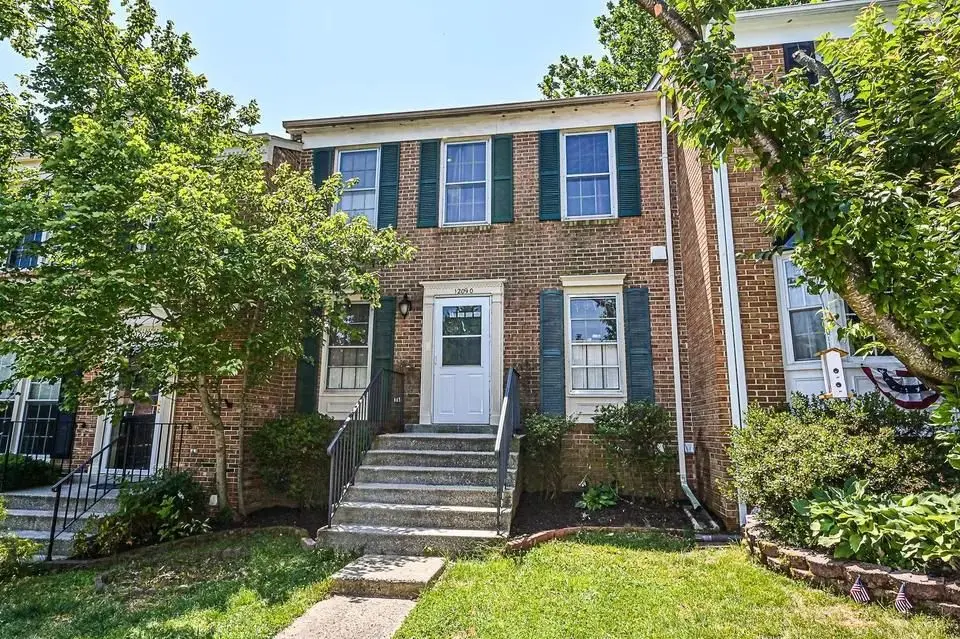
Buying a home in Woodbridge, Dale City, Manassas, Dumfries, or Prince William County, Virginia can be exciting, especially when you find a property that fits your budget and needs.
But what if the home you're interested in already has someone living in it?
You might be wondering:
"If I buy a house with tenants, can I move in immediately? Or do I have to wait until their lease ends?"
That's an important question because buying a tenant-occupied property can be different from purchasing a vacant home.
Whether you're planning to live in the house or purchase it as an investment, you need to understand the existing rental agreement and your responsibilities as the new owner.
Here are seven things to check before closing.
1. Review the Existing Lease Agreement
One of the first things to request is a copy of the existing rental agreement.
In Virginia, selling a rental property generally does not automatically cancel an existing lease.
The new owner usually takes over the landlord's rights and responsibilities under the rental agreement.
That means purchasing the property doesn't necessarily give you the right to require the tenants to leave immediately.
Before making an offer, review:
-
When the lease started
-
When the lease expires
-
The monthly rent
-
Security deposit information
-
Renewal or automatic renewal provisions
-
Early termination provisions
-
Maintenance responsibilities
-
Any additional agreements or amendments
For example, imagine you're purchasing a townhouse in Woodbridge, but the current tenant has a lease that continues for another eight months.
You may need to honor that agreement even if you originally planned to move into the property right after closing.
Buyer tip: Always review the rental agreement before committing to a purchase timeline.
2. Confirm When You Can Actually Move Into the Property
If you're buying the home as your primary residence, timing is especially important.
You may be ready to move immediately, but the tenant may have a valid right to remain in the property.
There is a difference between buying the property and receiving vacant possession.
Before making an offer, ask:
-
Is the property currently occupied?
-
When does the tenant's lease expire?
-
Has the tenant agreed in writing to move out?
-
Does the purchase agreement require the home to be vacant at closing?
-
What happens if the tenant doesn't leave as expected?
Virginia law allows certain month-to-month rental agreements to be terminated with proper notice.
Generally, at least 30 days' written notice before the next rent due date is required for month-to-month tenancies, unless the rental agreement provides a different notice period.
However, fixed-term leases and other rental arrangements can have different requirements.
Important: Never assume that buying the house automatically gives you the right to remove its occupants.
If moving in immediately is essential, make sure the purchase contract properly addresses vacant possession and the consequences if it is not delivered.
3. Check the Tenant's Payment History and Rental Documents
If you're buying the property as an investment, the existing rental arrangement may affect your financial plans.
A tenant already living in the property may offer the possibility of rental income after closing.
However, you should verify the financial information rather than relying only on the advertised monthly rent.
Ask the seller for relevant documents such as:
-
The signed lease and amendments
-
Current monthly rental amount
-
Available rent payment records
-
Any outstanding rent balances
-
Documentation of prepaid rent
-
Security deposit records
-
Property management agreements
-
Relevant written notices or disputes
For example, imagine a rental property in Dale City is advertised as generating $2,300 per month.
Before assuming you'll receive that amount regularly, review the lease and available payment history.
You should also consider ongoing ownership expenses such as property taxes, insurance, repairs, HOA fees, and property management costs.
The advertised rental amount is not the same as your net income from the property.
4. Understand What Happens to the Security Deposit
Security deposits are another important detail when purchasing a tenant-occupied home.
Under Virginia Code § 55.1-1213, the current owner must transfer applicable security deposits and accrued interest in their possession to the new owner when the rental property is transferred.
If a property management company holds the deposit, additional procedures may apply.
As the new owner, you should confirm:
-
How much security deposit was originally collected
-
Where the deposit is currently held
-
Whether any lawful deductions have been made
-
How the funds will transfer during settlement
-
Whether the tenant has received the required notification
Virginia law also establishes rules concerning how security deposits are handled and returned after a tenancy ends.
Before closing, ask your settlement professional to confirm how the deposit will be accounted for.
Buyer tip: Make sure security deposit arrangements are clearly documented, not simply discussed verbally.
You can review Virginia's official requirements here:
https://law.lis.virginia.gov/vacode/title55.1/chapter12/section55.1-1213/
5. Arrange Appropriate Property Inspections
Buying a tenant-occupied property doesn't mean you should skip the home inspection.
The roof, foundation, electrical system, plumbing, HVAC equipment, and other major property components still need careful consideration.
However, access to the home may require additional coordination.
Virginia Code § 55.1-1229 addresses landlord access, including showing a rental property to prospective purchasers.
Tenants generally may not unreasonably withhold consent for permitted access, but landlords must follow applicable notice requirements and arrange access at reasonable times.
The law also prohibits abusing access rights to harass a tenant.
This means inspections and showings should be coordinated respectfully and in accordance with the lease and Virginia law.
Before purchasing, consider:
-
Scheduling a qualified home inspection
-
Reviewing available repair and maintenance records
-
Checking for visible property damage
-
Confirming the condition of major systems
-
Evaluating any additional inspection needs
If the inspection reveals concerns, discuss your options before the relevant contract deadlines expire.
Buyer tip: Make sure your purchase agreement provides appropriate inspection access and clearly addresses your rights if access cannot be arranged.
6. Check Your Mortgage and Insurance Requirements
Buying a home with tenants can create additional financing considerations.
The requirements may differ depending on whether you're purchasing:
-
A primary residence
-
A second home
-
An investment property
If you intend to live in the home, your lender may have specific occupancy requirements.
For example, certain owner-occupied mortgage programs require buyers to occupy the property within a specified period after closing.
An existing tenant's lease could affect your ability to meet those requirements.
If you're purchasing the property as an investment, your lender may evaluate projected rental income, existing leases, and other financial qualifications.
Insurance is also important.
A home occupied by tenants may require different coverage from a property used exclusively as your primary residence.
Before making an offer:
Speak with your mortgage lender and insurance provider about the property's existing occupancy.
Make sure the financing and coverage arrangements are suitable for how you plan to use the property.
7. Understand Your Responsibilities as the New Landlord
If the tenants remain after closing, you may become their new landlord.
That means you're not only purchasing a property. You're also taking on responsibilities under the existing rental agreement and applicable Virginia law.
These may include:
-
Maintaining the property in accordance with legal requirements
-
Handling necessary repairs
-
Managing security deposit obligations
-
Following the lease terms
-
Providing appropriate notices
-
Respecting tenant privacy and lawful occupancy rights
-
Handling rent collection and other agreed services
Under Virginia Code § 55.1-1216, tenants must be notified of the sale and provided with the purchaser's name, address, and contact telephone number.
If you aren't familiar with managing rental property, consider whether professional property management would be helpful.
Buyer tip: Before closing, make sure you understand the legal and financial responsibilities that come with the existing tenancy.
What If You Want the Tenant to Move Out Before Closing?
This is one of the most important questions for buyers who intend to occupy the property.
If you need the home to be vacant, discuss that requirement before signing the purchase agreement.
Depending on the lease, the seller may be able to negotiate a voluntary early termination with the tenant.
However, the tenant may not be required to agree.
If vacant possession is important to your purchase, your contract should clearly explain what must happen before closing and what options are available if the condition isn't met.
Avoid relying on informal promises that the tenant will leave.
A qualified Virginia real estate attorney can help review the lease and purchase agreement.
Is Buying a Tenant-Occupied Home a Good Investment?
It can be, depending on the property and your goals.
For an investor, an existing tenant may provide potential rental income without the immediate need to find a new renter.
However, several factors should be evaluated:
Rental Income
Does the current rent support the property's operating expenses and your financing plan?
Property Condition
Are there major repairs or maintenance issues that could require additional spending?
Existing Lease Terms
Are there restrictions or obligations that may affect your plans?
Tenant Payment History
What do the available records show about past payments?
Local Market Conditions
How does the purchase price compare with similar properties in Woodbridge, Dale City, or Manassas?
Future Flexibility
Will the existing lease affect your plans to renovate, occupy, or eventually sell the property?
A tenant-occupied home may be suitable for some buyers, but it's important to evaluate the full financial picture.
Frequently Asked Questions
Can I buy a house with tenants in Virginia?
Yes. Buyers can purchase tenant-occupied properties, but the existing rental agreement and applicable landlord-tenant laws must be considered.
Can I ask the tenants to leave immediately after closing?
Not automatically. Their right to remain depends on the existing lease, any lawful termination, and applicable Virginia law.
Does the lease transfer to the new owner?
Generally, a property sale does not cancel an existing lease. The buyer typically takes over the landlord's position under the agreement.
What happens to the tenant's security deposit?
Virginia law requires applicable deposits and accrued interest to be transferred to the new owner as part of the rental property transfer.
Can I inspect a tenant-occupied property before buying?
Inspections may be arranged, but access must comply with applicable law, the lease, and agreed purchase contract provisions.
Can I use a regular home mortgage to purchase a tenant-occupied property?
That depends on the loan program, occupancy requirements, lender approval, and your intended use of the property.
Should I speak with an attorney before buying a tenant-occupied home?
Legal advice can be particularly valuable when the lease terms, move-out arrangements, security deposits, or possession requirements are uncertain.
Thinking About Buying a Home in Prince William County?
Buying a property with existing tenants requires careful planning, but understanding the rental agreement and your responsibilities can help you make a more informed decision.
Whether you're looking for a primary residence or exploring an investment property in Woodbridge, Dale City, Manassas, Dumfries, or surrounding Prince William County communities, knowing the details before closing is essential.
Josue Ruiz | Ruiz Realty Group helps buyers explore local properties, compare neighborhoods, and navigate the Northern Virginia real estate market.
Ready to Explore Homes in Prince William County?
Visit: https://realtorforvirginia.com/
Josue Ruiz | Samson Properties
Call or Text: (703) 975-0021
Your Local Real Estate Resource in Prince William County, Virginia.
Disclaimer: This article provides general real estate information and is not legal, mortgage, or financial advice. Lease terms, tenant rights, and property-specific requirements should be reviewed with qualified professionals.
Categories
Recent Posts







"My job is to find and attract mastery-based agents to the office, protect the culture, and make sure everyone is happy! "