
Selling a Home With a Septic System in Prince William County, VA? 7 Things to Check
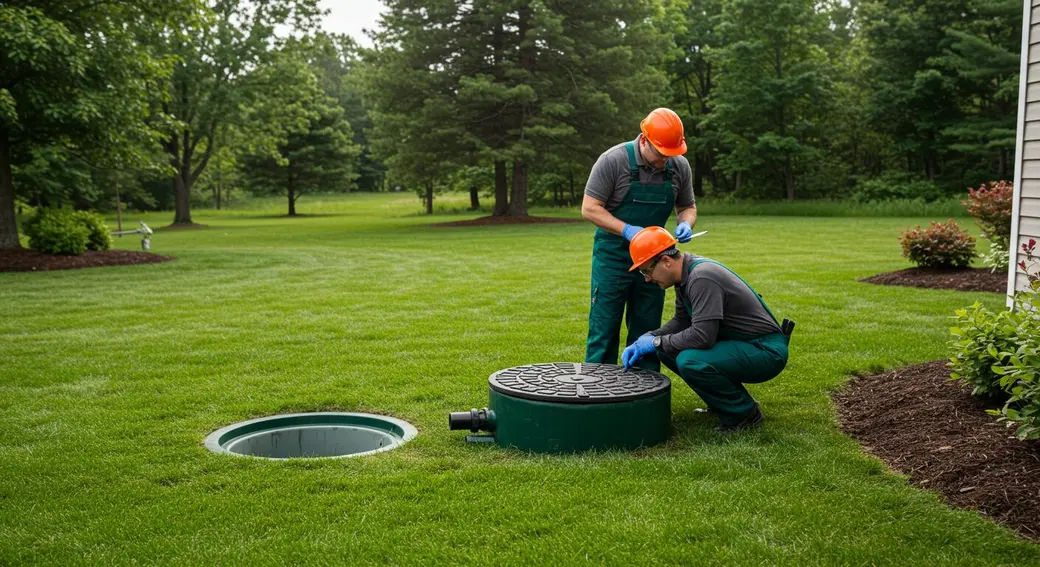
If you're preparing to sell a home with a septic system in Prince William County, Virginia, you may be wondering whether you need an inspection before listing your property.
Maybe you've lived in the home for years and haven't experienced any problems. Or perhaps you inherited a property with a septic system and aren't sure when it was last serviced.
Now you're asking:
"Can I sell my house with an older septic system, and do I need to pay for repairs or inspections before closing?"
The answer depends on the system's condition, maintenance history, local requirements, and the terms of your purchase agreement.
Before putting your property on the market, here are seven important things homeowners should know.
1. Can You Sell a House With a Septic System in Virginia?
Yes. A properly functioning septic system does not automatically prevent a home from being sold.
Many properties throughout Virginia use private onsite sewage systems rather than public sewer connections.
These systems collect and treat wastewater from the property.
However, septic systems require ongoing maintenance, and buyers may want reassurance that the system is functioning properly.
Potential buyer concerns include:
-
The age of the septic system
-
The condition of the septic tank and drainfield
-
Previous repairs or maintenance problems
-
Inspection and pumping records
-
The system's approved capacity
-
Potential future replacement costs
Seller tip: Gather information about your septic system before listing so you can answer buyer questions confidently.
2. Is a Septic Inspection Required Before Selling in Virginia?
Not automatically.
According to the Virginia Department of Health, Virginia does not impose a universal septic inspection requirement simply because a property is being sold.
However, a septic inspection may still be required by:
-
The buyer's mortgage lender
-
The terms of the purchase contract
-
An agreed inspection contingency
-
Other applicable property-specific requirements
Virginia also has rules governing who may conduct septic inspections associated with real estate transactions.
Under Virginia Code § 59.1-310.9, inspections covered by the law must be completed by an appropriately licensed onsite sewage system professional.
The inspector must provide a written agreement describing the scope and cost of the inspection.
A complete inspection requires pumping the septic tank, although the client may decline pumping and that decision must be documented.
Important: A general home inspection is not the same as a specialized septic system inspection.
Official resource:
3. How Often Should a Septic System Be Pumped in Prince William County?
Regular septic pumping helps prevent excessive buildup of solids that can damage the system.
Prince William County's onsite sewage regulations generally require systems that do not require a Virginia Pollutant Discharge Elimination System permit to be pumped at least once every five years.
Depending on the system and applicable rules, there may be additional or different maintenance requirements.
The Virginia Department of Health recommends that household septic tanks typically be pumped every three to five years, depending on use and other factors.
Pumping frequency can be influenced by:
-
Household size
-
Septic tank capacity
-
Wastewater usage
-
System condition
-
Maintenance history
If you're preparing to sell, check when your system was last pumped.
Keep copies of receipts, service reports, and other records that show the system has been maintained.
If you're unsure whether your property meets the county's requirements, contact the Prince William Health District.
Official resource:
https://www.vdh.virginia.gov/prince-william/environmental-health/onsite-sewage-and-water-services/
4. How Can You Find Your Septic System Records?
One of the most useful things sellers can do is locate their septic permit and maintenance records.
The Prince William Health District maintains historical records relating to onsite septic systems and private wells.
These records may include:
-
Original construction permits
-
Septic system designs
-
Operation permits
-
Approved system capacity
-
Previous inspection information
-
Certain maintenance records
-
Documentation about alternative onsite sewage systems
The district provides an online document database that can be searched using the property's street address or GPIN.
Reviewing these documents can help clarify the type of system serving your property.
Why does this matter?
A property's septic system may be approved for a particular wastewater capacity or bedroom count.
If major home improvements have been made over the years, buyers may want to confirm that the system is suitable for the property's current configuration.
Official resource:
https://www.vdh.virginia.gov/prince-william/environmental-health/onsite-sewage-and-water-services/
5. What Are the Warning Signs of a Septic System Problem?
A septic system may develop problems even if the home appears to be in good condition.
Some possible warning signs include:
Slow Drains
Repeated drainage problems affecting multiple fixtures may indicate an issue that needs investigation.
Sewage Odors
Persistent sewage smells near the septic tank, drainfield, or inside the home may be a concern.
Standing Water
Unusual wet areas near the septic system could indicate drainage or wastewater problems.
Sewage Backups
Wastewater backing up into the home can signal a serious issue
Categories
Recent Posts










"My job is to find and attract mastery-based agents to the office, protect the culture, and make sure everyone is happy! "