
How Much Cash Do You Really Need to Buy a Townhome in Woodbridge, VA?
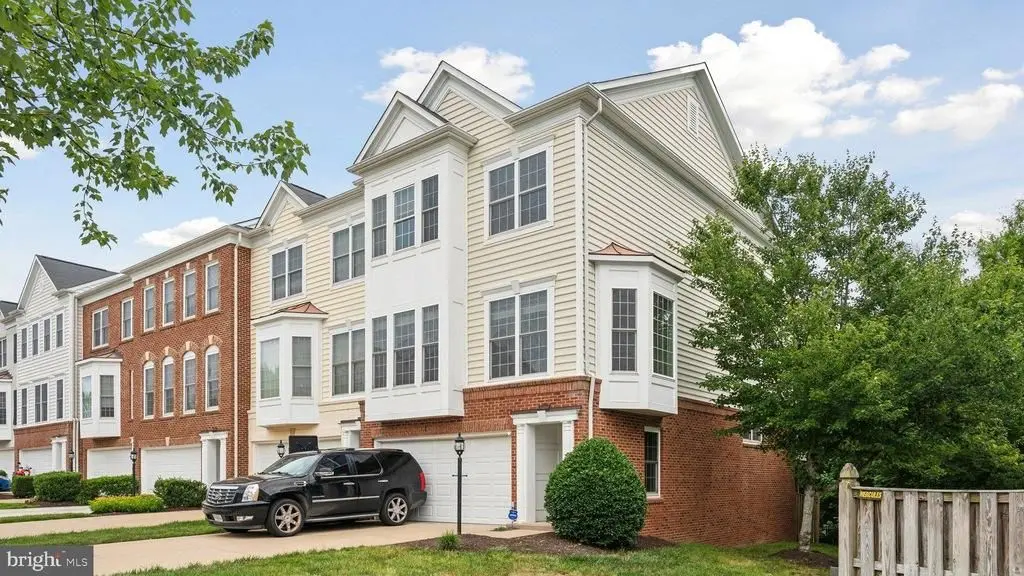
If you're thinking about buying a townhome in Woodbridge, Virginia, one of your biggest questions may be:
"How much money do I actually need saved before I can buy a home?"
Many buyers assume they need a 20% down payment. Others focus only on their monthly mortgage payment without considering the money they'll need before closing.
The truth is, buying a home involves several upfront expenses.
And while some buyers qualify for low-down-payment or no-down-payment financing, that doesn't necessarily mean they can purchase a property without bringing any money to the transaction.
If you're looking at townhomes in Woodbridge, Dale City, Lake Ridge, or Prince William County, here's how to estimate the cash you may need.
1. How Much Down Payment Do You Need for a Townhome?
Your down payment is the portion of the purchase price you pay upfront rather than borrowing through your mortgage.
The amount depends on the loan program, lender requirements, and your financial qualifications.
Common financing options include:
Conventional Loans
Some conventional mortgage programs allow qualified buyers to purchase with as little as 3% down.
However, not every buyer or property will qualify for the same program.
FHA Loans
FHA financing may allow qualified buyers to purchase with a down payment as low as 3.5%.
VA Loans
Eligible veterans, service members, and certain other qualified borrowers may be able to purchase with no down payment, subject to lender and program requirements.
Important: You don't automatically need 20% down to purchase a townhome in Woodbridge.
However, the amount you put down can affect your monthly payment, mortgage insurance, and overall borrowing costs.
2. What Would the Down Payment Look Like on a $400,000 Townhome?
Let's use a hypothetical $400,000 townhome to understand the numbers.
This is an example for budgeting purposes, not the current median townhome price in Woodbridge.
| Down Payment | Amount |
|---|---|
| 3% | $12,000 |
| 3.5% | $14,000 |
| 5% | $20,000 |
| 10% | $40,000 |
| 20% | $80,000 |
As you can see, the difference between a 3% and 20% down payment is significant.
But remember, your down payment is only one part of the money needed to buy a home.
You'll also need to account for closing costs and other expenses.
3. How Much Are Closing Costs in Woodbridge, VA?
Closing costs are the expenses associated with finalizing your mortgage and transferring ownership of the property.
According to the Consumer Financial Protection Bureau (CFPB), closing costs commonly range from approximately 2% to 5% of a home's purchase price, excluding the down payment.
For our hypothetical $400,000 townhome, that would mean approximately:
-
2% closing costs: $8,000
-
3% closing costs: $12,000
-
4% closing costs: $16,000
-
5% closing costs: $20,000
Actual closing costs depend on your lender, loan program, property, settlement charges, prepaid expenses, and other factors.
Expenses may include:
-
Mortgage origination and lender charges
-
Appraisal fees
-
Title and settlement services
-
Recording and applicable government fees
-
Homeowners insurance
-
Prepaid mortgage interest
-
Initial property tax and insurance escrow deposits
If you're comparing townhomes in Woodbridge or Dale City, ask your lender for a personalized Loan Estimate rather than assuming every property will have identical costs.
4. So How Much Cash Would You Need for a $400,000 Townhome?
Let's put the down payment and estimated closing costs together.
If you qualify for a conventional loan requiring 3% down:
Purchase Price: $400,000
Down Payment: $12,000
Estimated Closing Costs: $8,000–$20,000
Estimated Total: $20,000–$32,000
This is an illustration before considering any assistance, seller credits, lender credits, additional transaction expenses, or moving costs.
It also assumes the specified closing-cost range includes the relevant prepaid and escrow charges.
Your actual amount may be different.
Some expenses will be paid before settlement, and others will be paid at closing.
The most useful number to request from your lender is your estimated cash to close.
5. What About Earnest Money?
Earnest money is a deposit that buyers may provide after entering into a purchase contract.
It demonstrates their commitment to purchasing the property under the agreed terms.
The deposit amount is negotiated and will be stated in the purchase agreement.
For example, a buyer might agree to provide a $4,000 earnest money deposit on a $400,000 property.
If the transaction closes successfully, the earnest money is generally credited toward the buyer's required funds at settlement.
That means the $4,000 is usually not an additional expense on top of your total down payment and closing costs.
However, you may need access to that money earlier in the buying process.
Always check your purchase contract for the required amount and deposit deadline.
6. What Other Expenses Should You Prepare For?
Some expenses can come up before or after closing.
For example:
Home Inspection
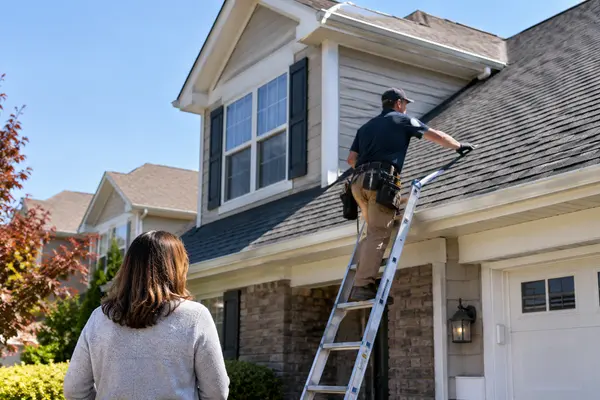
A professional home inspection may identify concerns with the roof, plumbing, electrical systems, foundation, or other parts of the property.
The cost depends on the home and inspection services requested.
Appraisal
Your lender may require an appraisal to evaluate the property for financing purposes.
Moving Expenses
You may need money for movers, packing supplies, utility setup, and transportation.
Immediate Repairs
Even a well-maintained townhome may need minor repairs or improvements after you move in.
Furniture and Appliances
Moving into a larger home may mean purchasing additional furniture or replacing certain appliances.
Before using all your savings for a down payment, consider keeping an emergency fund for unexpected expenses.
7. Don't Forget About HOA Fees
Many townhome communities in Woodbridge and Prince William County have homeowners associations.
HOA dues can affect your monthly housing budget.
Depending on the community, fees may support services or amenities such as:
-
Common-area landscaping
-
Trash collection
-
Community recreational facilities
-
Snow removal from certain shared areas
-
Maintenance of designated common property
However, each association has different responsibilities.
Some townhomes may also be legally structured as condominium properties, which can have different fees and ownership responsibilities.
Before making an offer, confirm the HOA or condominium dues, what those fees cover, and whether any special assessments are planned or approved.
Your lender will generally consider recurring association dues when calculating your ability to afford the property.
A townhome with a lower asking price isn't necessarily the least expensive option when all monthly expenses are considered.
8. Are There Down Payment Assistance Programs in Virginia?
Yes. Qualified buyers may be eligible for programs that help reduce upfront homebuying expenses.
Virginia Housing offers several financing and assistance options.
These include:
Down Payment Assistance Grant
Eligible buyers may qualify for grant funds to help with a down payment.
Unlike a loan, this grant does not require repayment.
Closing Cost Assistance Grant
Certain qualified buyers using eligible mortgage programs may receive assistance with closing expenses.
Virginia Housing Plus Second Mortgage
This program may help qualifying buyers cover their down payment or some closing expenses through additional mortgage financing.
These programs have specific eligibility requirements, which may include income limits, purchase price limits, mortgage program requirements, and homebuyer education.
Not all buyers or properties qualify.
Check available programs and current eligibility requirements at:
https://www.virginiahousing.com/homebuyers/loan-grants
You can also speak with an approved Virginia Housing lender.
9. Can the Seller Help Pay Your Closing Costs?
Possibly.
In some transactions, the buyer and seller negotiate a seller credit toward eligible closing costs.
For example, a buyer might request that the seller contribute a certain amount toward allowable transaction expenses.
Whether the seller agrees depends on the offer, property, negotiations, and market conditions.
Mortgage programs also have rules governing the amount and use of seller contributions.
A seller credit generally cannot be treated as unrestricted cash for the buyer.
A local real estate professional and mortgage lender can help you understand what may be possible in your situation.
10. How Do You Find Out Your Exact Cash-to-Close Amount?
The best approach is to speak with a mortgage lender before making an offer.
A Loan Estimate outlines important information about your proposed loan, including estimated borrowing costs and funds needed for closing.
Once you have a mortgage application that meets the applicable requirements, your lender generally must provide a Loan Estimate within three business days.
Later in the process, you will typically receive a Closing Disclosure at least three business days before closing.
That document provides more complete information about your final loan terms and transaction costs.
Before closing, review the cash-to-close amount and make sure you understand any differences from earlier estimates.
You can learn more through the Consumer Financial Protection Bureau:
https://www.consumerfinance.gov/owning-a-home/
Frequently Asked Questions About Buying a Townhome in Woodbridge
Can I buy a townhome in Woodbridge with 3% down?
Potentially, yes. Some conventional mortgage programs allow qualified buyers to purchase with 3% down. Eligibility depends on the lender, loan program, borrower, and property.
Do I need 20% down to buy a home in Virginia?
No. Many buyers use mortgage programs that allow down payments below 20%. However, a smaller down payment can affect mortgage insurance and other borrowing costs.
Can I buy a townhome with no down payment?
Some eligible buyers may qualify for VA financing or other programs that offer no-down-payment options. Other upfront expenses may still apply.
Is earnest money separate from my down payment?
Earnest money is generally credited toward the buyer's required funds at closing. It is usually not an additional cost, but it may need to be paid earlier.
Can I use down payment assistance to purchase in Prince William County?
Possibly. Eligibility depends on the assistance program, income limits, property requirements, available funding, and mortgage qualifications.
How much should I save before buying my first home?
Start by requesting a lender's estimate of the down payment, closing costs, and required cash to close. Also plan for moving expenses and emergency savings.
Ready to Buy a Townhome in Woodbridge, VA?
Buying your first home doesn't have to begin with guessing how much money you'll need.
Understanding your down payment options, closing expenses, and monthly ownership costs can help you prepare more confidently.
Whether you're searching for a townhome in Woodbridge, Dale City, Lake Ridge, Dumfries, or elsewhere in Prince William County, knowing your budget is an important first step.
Josue Ruiz | Ruiz Realty Group can help you explore available homes, compare communities, and understand the local buying process.
Thinking about buying a townhome in Woodbridge?
Start your home search and connect with Josue today.
Visit: https://realtorforvirginia.com/
Josue Ruiz | Ruiz Realty Group
Call or Text: (703) 975-0021
Your Local Real Estate Resource in Prince William County, Virginia.
Disclaimer: This article provides general real estate and mortgage information and is not a financing offer or individualized financial advice. All loan programs, fees, and assistance options are subject to eligibility and lender requirements.
Categories
Recent Posts






"My job is to find and attract mastery-based agents to the office, protect the culture, and make sure everyone is happy! "