
Can You Sell Your Woodbridge, VA Home With Solar Panels? What Sellers Need to Know
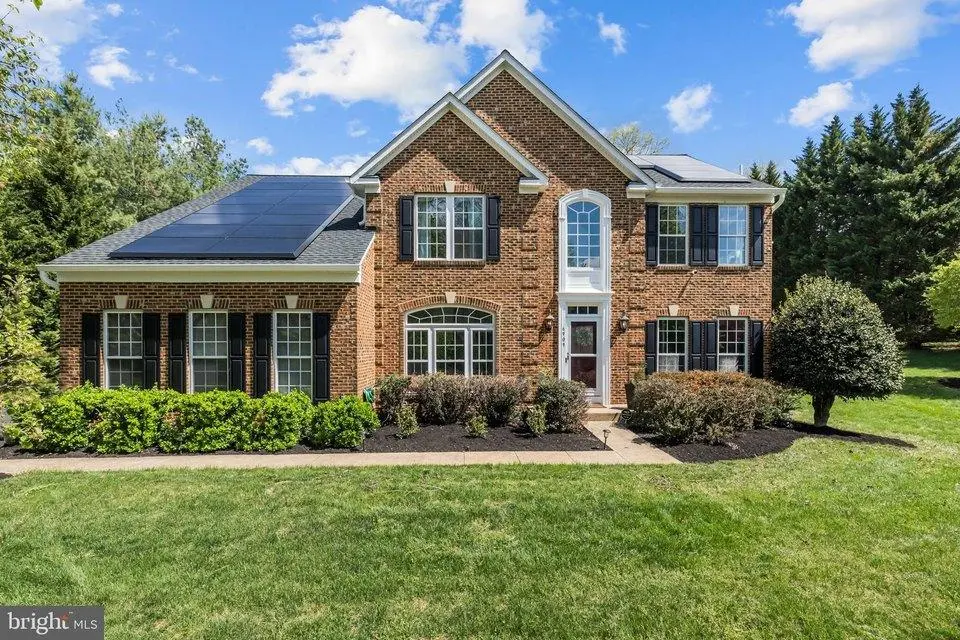
If you're thinking about selling your home in Woodbridge, Dale City, Lake Ridge, or Prince William County, Virginia, you may be wondering what happens to your solar panels when you move.
Maybe you installed solar panels to lower your electricity bills. Maybe you purchased a home that already had them.
Now you're asking:
"Can I sell my house if I still owe money on the solar panels? Will the buyer have to take over the payments?"
The answer depends on how your solar system was purchased, financed, or leased.
Solar panels can be an attractive feature, but they can also introduce additional paperwork and financial considerations during a home sale.
Before listing your property, here's what you should know.
1. Can You Sell a House With Solar Panels in Woodbridge, VA?
Yes. Having solar panels does not automatically prevent you from selling your home.
However, the process can be different depending on whether you:
-
Own the solar panels outright
-
Purchased them with a loan
-
Lease the solar panels from a company
-
Have a Power Purchase Agreement (PPA)
Each arrangement can create different financial obligations and requirements when ownership of the home changes.
The first step is understanding exactly who owns your solar system.
2. What Happens If You Own Your Solar Panels Outright?
If you purchased your solar system and have no outstanding financing obligations, the selling process may be more straightforward.
The panels may be included in the property sale, subject to the terms of your agreement with the buyer.
Potential buyers may appreciate features such as:
-
Reduced reliance on electricity purchased from the utility
-
Potential savings on electricity bills
-
Existing renewable energy equipment
-
A solar system that does not require separate monthly loan or lease payments
However, solar panels do not guarantee a higher selling price.
Their value depends on factors such as system age, condition, performance, local buyer demand, and comparable home sales.
Before marketing your solar-powered home, gather records showing that the system is owned and how it has performed.
3. What If You Still Have a Solar Panel Loan?
This is one of the most important questions for homeowners preparing to sell.
If you financed your solar installation, you may still have an outstanding loan balance.
For example, imagine you installed a solar system for $28,000 and still owe $17,000 when you decide to sell.
Depending on your loan agreement and lender requirements, you may need to pay off the remaining balance as part of the transaction.
Some financing agreements may allow an approved buyer to assume the loan, but this is not always available.
Before listing your home:
Step 1: Contact your solar loan provider.
Step 2: Request your current payoff balance.
Step 3: Ask whether the loan must be paid off before or at closing.
Step 4: Confirm whether any security interests, liens, or financing statements affect the property or solar equipment.
Step 5: Ask for written instructions about releasing any applicable financing records.
Your mortgage lender and settlement professional may also need to review the arrangement.
Important: Do not assume that the buyer can automatically take over your solar loan.
4. Can You Sell a House With Leased Solar Panels?
Yes, but leased solar panels create a different situation.
When you lease a solar system, the solar company generally owns the equipment, and you pay for its use under the lease agreement.
If you sell your home, you may have several options depending on your contract.
Option 1: Transfer the Lease to the Buyer
Some solar companies allow a qualified homebuyer to assume the existing lease.
The buyer may need to complete an application and receive approval from the solar provider.
Option 2: Buy Out the Lease
Some agreements allow you to purchase the solar system or otherwise satisfy your remaining obligations.
The cost and terms depend on the contract.
Option 3: Negotiate Another Arrangement
In some cases, the seller and buyer may negotiate how the solar obligations will be addressed before closing.
The solar provider and any involved lenders must also approve arrangements when required.
Before promising anything to a buyer, contact your solar company and request written information about the transfer and buyout options.
5. What Is a Solar Power Purchase Agreement?
A Power Purchase Agreement, commonly called a PPA, is different from purchasing solar panels outright.
Under a PPA, a third-party company generally owns the solar equipment, while the homeowner agrees to purchase the electricity the system generates.
Payments may depend on electricity production and the contract's agreed rates.
When selling a home with a PPA, you need to understand:
-
Whether the agreement can transfer to the buyer
-
Whether the solar company must approve the transfer
-
Remaining contract length
-
Payment rates and potential increases
-
Buyout or termination provisions
-
Maintenance responsibilities
-
Any other required documentation
Not every buyer will be comfortable taking over an existing agreement.
Reviewing the contract before listing can help you avoid unexpected complications.
6. Do Solar Panels Increase Home Value in Prince William County?
Solar panels may influence a home's marketability and value, but the impact is not always the same.
A fully owned, functioning solar system may be viewed differently from a leased system with continuing payment obligations.
Appraisal and mortgage requirements also matter.
For example, Fannie Mae's lending guidance generally does not permit the value of leased solar panels or panels subject to a PPA to be included in the property's appraised value for the mortgage.
Owned solar systems may be evaluated differently, depending on applicable appraisal and financing requirements.
When determining a realistic listing price, consider:
-
Ownership and financing status
-
System age and performance
-
Available warranties
-
Condition of the roof
-
Recent comparable home sales
-
Buyer demand in your neighborhood
Do not automatically add the original installation cost to your home's estimated market value.
A local real estate market analysis is a better starting point.
7. What About Roof Repairs and Solar Panel Maintenance?
Solar panels are often installed on the roof, so buyers may ask about both the panels and the roofing system underneath.
Important questions include:
How old is the roof?
A roof nearing the end of its useful life may create additional concerns.
Will the panels need to be removed for roof repairs?
Some roofing projects require solar equipment to be temporarily removed and reinstalled.
Who is responsible for maintenance?
Responsibilities may differ depending on whether you own or lease the equipment.
Are warranties transferable?
Some manufacturers or installers offer transferable warranties, subject to specific conditions.
Before listing, gather available roof inspection records, solar installation documentation, and warranty information.
This can help buyers understand the property's condition.
8. Do HOA Rules Matter When Selling a Home With Solar Panels?
Yes, especially if your property is located in an HOA community.
Virginia law provides protections for homeowners who want to install solar energy collection devices on individually owned property.
However, certain restrictions may apply under recorded association documents and applicable law.
For example, associations may have rules addressing placement, appearance, or installation methods.
Virginia law also requires resale certificates to include applicable restrictions on installing or using solar energy collection devices.
If you're selling a property in Woodbridge, Dale City, or Lake Ridge, review the HOA documents and any approvals related to your solar installation.
You can review the relevant law under Virginia Code § 55.1-1820.1.
9. Can Solar Panels Affect a Buyer's Mortgage Approval?
Potentially, yes.
Mortgage lenders may evaluate the ownership and financing arrangements associated with solar equipment.
For example, the lender may need to determine:
-
Whether the panels are owned or leased
-
Whether there is an outstanding loan
-
Whether the solar agreement creates a monthly obligation
-
Whether a security interest affects the property
-
Whether required documents satisfy the loan program's guidelines
If these questions remain unresolved, they could create delays during the mortgage approval or closing process.
Seller tip: Have the solar financing or lease documents ready before accepting an offer.
10. What Documents Should You Prepare Before Listing?
If your Woodbridge home has solar panels, gathering paperwork early is one of the most practical ways to prepare.
Consider collecting:
-
Original solar installation agreement
-
Proof of ownership, if applicable
-
Solar loan payoff statement
-
Lease or PPA documents
-
Transfer or buyout instructions
-
Equipment and installation warranties
-
Available permits and inspection records
-
Maintenance and repair records
-
Recent system production information
-
Relevant electricity bills
-
HOA approval documents, if applicable
Buyers may want to know how much electricity the system produces and what ongoing expenses they would be responsible for.
Provide accurate records rather than promising a particular amount of future savings.
11. Should You Pay Off Your Solar Loan Before Selling?
Not necessarily before listing, but you should understand the payoff requirements.
For some sellers, paying off the balance before marketing the property may make the financial arrangement easier to explain.
For others, paying the balance at closing may be possible if permitted by the lender and the transaction structure.
Consider these questions:
-
How much do I currently owe?
-
Is there a prepayment penalty or other fee?
-
Can the loan be paid from my closing proceeds?
-
Will paying it off affect my estimated net proceeds?
-
What documentation will the settlement company need?
Reviewing these details early can help you make a more informed decision.
Frequently Asked Questions About Selling a Home With Solar Panels
Can I sell my Woodbridge home if the solar panels are not paid off?
Potentially, yes. However, you must determine how the outstanding financing will be handled and whether any payoff or transfer requirements apply.
Will a buyer automatically take over my solar payments?
No. A buyer does not automatically assume your solar loan, lease, or PPA simply by purchasing the house.
Do solar panels increase a home's appraisal value?
They may contribute value in some circumstances, particularly when owned, but this depends on appraisal standards, ownership arrangements, financing rules, and market evidence.
What happens if the buyer doesn't want the solar lease?
Your options depend on your agreement with the solar company. You may need to explore a buyout, another approved arrangement, or other buyers.
Can solar panel paperwork delay closing?
Yes. Missing payoff information, transfer approvals, or unresolved financing records may create additional work before settlement.
Should I get a home valuation before selling a house with solar panels?
Yes. A local market analysis can help you understand how your property compares with similar homes and how its solar system may affect its marketability.
Thinking About Selling Your Solar-Powered Home in Woodbridge, VA?
Selling a home with solar panels doesn't have to be overwhelming.
The key is understanding your solar agreement, preparing the necessary documents, and developing a realistic pricing strategy.
Whether you own a home in Woodbridge, Dale City, Lake Ridge, Dumfries, or elsewhere in Prince William County, knowing your property's current market value is a useful first step.
Josue Ruiz | Ruiz Realty Group can help you review local comparable sales, understand buyer expectations, and explore your home-selling options.
Wondering what your home with solar panels could be worth?
Request your free home valuation today.
Visit: https://realtorforvirginia.com/
Josue Ruiz | Ruiz Realty Group
Call or Text: (703) 975-0021
Your Local Real Estate Resource in Prince William County, Virginia.
Disclaimer: This article provides general real estate information and is not legal, lending, tax, or financial advice. Solar agreements, transfer requirements, and mortgage guidelines should be verified with the appropriate providers and professionals.
Categories
Recent Posts






"My job is to find and attract mastery-based agents to the office, protect the culture, and make sure everyone is happy! "