Buying a Home in Manassas, VA With an Older HVAC System? 7 Things to Check Before Closing
Buying a home in Manassas, Virginia, can be an exciting step, especially when you find a property with the right location, layout, and price.
But what if the house has an older heating and cooling system?
You might be wondering:
"Should I buy a house with a 15-year-old HVAC system, or could I be facing an expensive replacement soon after moving in?"
An older HVAC system doesn't automatically mean you should walk away from a home. However, its condition can affect your comfort, future expenses, and negotiations.
If you're buying a home in Manassas, Bristow, Gainesville, or nearby Prince William County communities, here are seven things to check before closing.
1. Find Out How Old the HVAC System Is
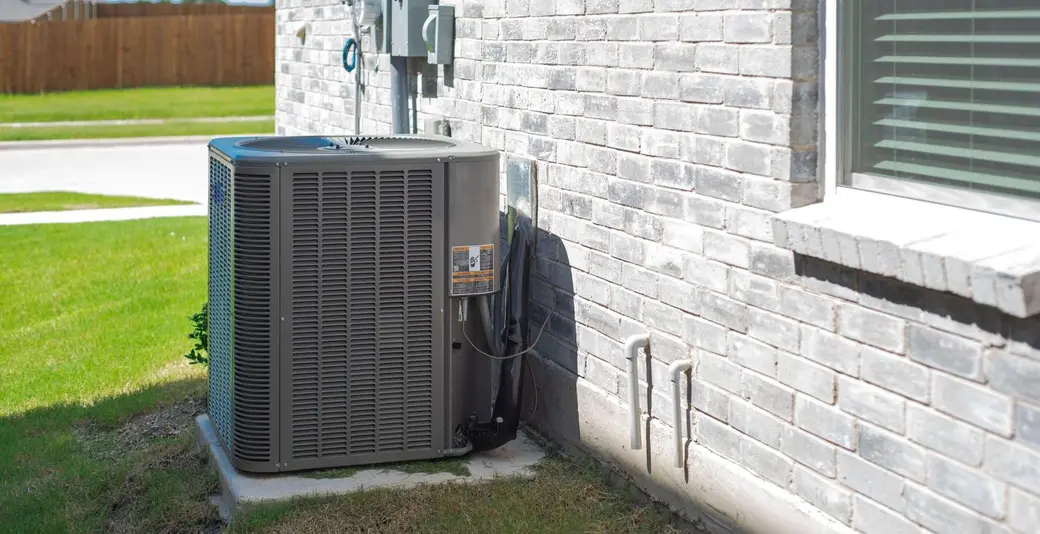
HVAC stands for heating, ventilation, and air conditioning.
Depending on the home, the system may include a furnace, central air conditioner, heat pump, air handler, or a combination of equipment.
The first step is determining the age of each major component.
According to ENERGY STAR, homeowners should consider evaluating replacement options when:
-
An air conditioner or heat pump is more than 10 years old.
-
A furnace or boiler is more than 15 years old.
-
Equipment frequently needs repairs.
-
Energy bills are increasing.
-
Certain rooms are difficult to heat or cool.
However, these are signs that a professional evaluation may be helpful, not automatic replacement deadlines.
A well-maintained system may continue functioning beyond these ages.
Buyer tip: Ask for the installation dates of both the heating and cooling equipment. They may have been replaced at different times.
2. Don't Rely Only on a General Home Inspection
A general home inspection can provide useful information about the condition of a property's heating and cooling equipment.
However, it may not identify every mechanical problem.
For example, an inspector may confirm that the air conditioner turns on but may not be able to determine its remaining useful life.
Some equipment may also require operating conditions or specialized testing beyond the scope of a general home inspection.
If you're purchasing a home with an older HVAC system, consider arranging an additional evaluation by a qualified HVAC professional.
Ask the technician to check:
-
Heating and cooling performance
-
Electrical connections and controls
-
Visible equipment condition
-
Signs of refrigerant leaks
-
Drainage and condensate systems
-
Airflow and ductwork concerns
-
Safety issues involving heating equipment
A professional evaluation can help you understand whether the system needs routine maintenance, repairs, or replacement.
Important: Make sure any additional inspection is completed within the applicable deadlines in your purchase agreement.
3. Ask for HVAC Maintenance and Repair Records
A system's maintenance history can tell you more than its age alone.
For example, imagine you're comparing two homes in Manassas.
Home A has a 14-year-old air conditioning system with records of regular professional servicing.
Home B has a 9-year-old system but no available maintenance documentation and signs of recurring problems.
You shouldn't automatically assume Home B is in better condition simply because its equipment is newer.
Before buying, ask the seller whether the following records are available:
-
Original installation invoices
-
Service and maintenance reports
-
Repair invoices
-
Warranty information
-
Records of major component replacements
-
Information about previous equipment problems
ENERGY STAR recommends regular professional maintenance and checking important components, including filters, coils, controls, and condensate drains.
Buyer tip: Maintenance records don't guarantee future performance, but they can help you understand how the system has been cared for.
4. Check Whether Every Room Heats and Cools Properly
When touring a home, pay attention to comfort throughout the property.
Does the upstairs feel significantly warmer than the downstairs?
Are certain bedrooms unusually cold?
Does the air conditioner seem to run constantly without reaching the desired temperature?
These observations may indicate potential concerns.
Possible causes include:
-
Restricted airflow
-
Leaking or poorly designed ductwork
-
Inadequate insulation
-
Dirty air filters
-
Improperly sized equipment
-
Mechanical problems
-
Thermostat or control issues
However, not every uncomfortable room means the entire HVAC system needs replacement.
Sometimes the problem involves insulation, air sealing, or ductwork rather than the heating or cooling equipment itself.
A qualified professional can help identify the cause.
Before buying, understand whether comfort problems are minor maintenance issues or signs of a more expensive repair.
5. Find Out What Refrigerant the Air Conditioner Uses
Some older air conditioning systems use a refrigerant known as R-22.
This is worth checking because the United States stopped the production and import of new R-22 in 2020.
However, existing systems that use R-22 are not automatically illegal.
According to the U.S. Environmental Protection Agency (EPA), homeowners can continue using and servicing existing R-22 equipment.
Reclaimed or previously produced refrigerant may still be used for repairs.
However, the availability and cost of servicing older systems can be important considerations.
If you're considering a home with an older air conditioner, ask:
-
What type of refrigerant does the equipment use?
-
Is the equipment operating properly?
-
Has the system experienced refrigerant leaks?
-
Are replacement parts readily available?
-
Would major repairs be financially reasonable?
If you're unsure, have an EPA-certified technician inspect the equipment.
Buyer tip: Don't assume that every older air conditioner must be replaced immediately. Get professional advice based on the actual condition of the system.
6. Get a Replacement Estimate Before Finalizing Your Budget
Replacing heating and cooling equipment can represent a significant expense.
The total cost depends on factors such as:
-
Property size
-
Equipment type and capacity
-
Energy efficiency rating
-
Existing ductwork
-
Installation complexity
-
Electrical requirements
-
Labor and materials
-
Any additional repairs needed
For example, replacing only an outdoor air conditioning unit may involve different costs and requirements than installing an entirely new heating and cooling system.
If an HVAC inspection identifies major concerns, ask a qualified contractor for a written estimate.
Ideally, the estimate should explain:
-
What work is recommended
-
Whether repair is practical
-
Which components need replacement
-
Estimated equipment and labor costs
-
Applicable warranties
-
Any required permits
This information can help you determine whether the property still fits your budget.
Buyer tip: Don't base your decision on a guess about HVAC replacement costs. Obtain estimates before making major financial commitments.
7. Understand Your Options During Home Inspection Negotiations
Suppose you're buying a home in Manassas, and the inspection identifies a failing air conditioning system.
What happens next?
Your options depend on the purchase agreement and any applicable inspection contingency.
Potential outcomes may include:
Option 1: Request Repairs
You may ask the seller to have certain problems corrected before closing.
Option 2: Negotiate a Replacement
Depending on the issue, you may propose that the seller replace the equipment before settlement.
Option 3: Discuss a Seller Credit
The parties may negotiate a credit toward eligible closing expenses, subject to lender requirements.
A seller credit does not automatically provide cash that can be used for any purpose.
Option 4: Negotiate the Purchase Price
You may discuss a different price that accounts for identified repair concerns.
Option 5: Exercise an Applicable Contractual Right
If your contract provides a valid right to terminate and you follow the required procedures, you may be able to end the purchase.
However, none of these outcomes is automatic.
The seller isn't necessarily required to replace an HVAC system simply because it's old.
The condition of the equipment, the purchase contract, and the parties' negotiations determine what happens next.
Does Virginia Require Sellers to Replace an Old HVAC System?
Virginia's residential property disclosure rules generally emphasize buyer due diligence.
The state's disclosure statement advises buyers to investigate the property's condition and obtain inspections when appropriate.
However, additional disclosure obligations may apply in certain circumstances.
A home with an older HVAC system is not automatically considered unsuitable for sale.
Similarly, buyers should not assume that a seller must provide new equipment before closing.
Before making an offer, review the property's condition, available maintenance information, and the specific purchase contract.
You can find Virginia's official disclosure information at:
https://www.dpor.virginia.gov/Consumers/Residential_Property_Disclosures
What About Home Warranties?
Some buyers consider purchasing a home warranty when buying an older property.
A home warranty may provide limited coverage for certain equipment breakdowns, depending on the plan.
However, warranties can include:
-
Coverage limits
-
Service fees
-
Exclusions
-
Waiting periods
-
Maintenance requirements
-
Restrictions on pre-existing conditions
A warranty should not be treated as a guarantee that an aging HVAC system will be replaced at no cost.
Read the terms carefully before relying on a warranty to address known equipment concerns.
Why HVAC Condition Matters for Manassas Homebuyers
Homes in Manassas and surrounding Northern Virginia communities experience both warm summers and cold winters.
Reliable heating and cooling can make a significant difference in everyday comfort.
When comparing homes, consider the condition of the mechanical systems alongside the asking price, location, property layout, and ongoing ownership expenses.
Also, remember that the independent City of Manassas and properties with Manassas mailing addresses in Prince William County may fall under different local jurisdictions.
If a major HVAC replacement is needed, check the permit requirements for the property's actual location.
Understanding these details before buying can help you prepare for ownership.
Frequently Asked Questions About Buying a Home With an Older HVAC System
Should I buy a home with a 15-year-old HVAC system?
Possibly. Age is only one consideration. Review the equipment's condition, maintenance history, performance, and professional inspection findings.
Does an older HVAC system automatically fail a home inspection?
No. Inspectors generally evaluate observable conditions and system operation rather than treating a specific age as automatic failure.
Can I ask the seller to replace the HVAC before closing?
You can request replacement or another arrangement, but the seller's obligations depend on the contract and any negotiated agreement.
Will homeowners insurance cover HVAC replacement?
Ordinary wear and tear is generally not covered by standard homeowners insurance. Coverage depends on the policy and cause of loss.
Do older HVAC systems cost more to operate?
They may be less energy-efficient, particularly if poorly maintained, but actual operating expenses depend on equipment performance, efficiency, energy prices, insulation, and usage.
Can a home warranty protect me from HVAC replacement costs?
It may provide some coverage under specific circumstances, but limitations and exclusions apply. Always review the warranty contract.
Should I get a separate HVAC inspection before purchasing?
If the equipment is older, shows performance problems, or has uncertain maintenance history, a specialized HVAC evaluation may be worthwhile.
Thinking About Buying a Home in Manassas, VA?
Buying a home involves more than finding the right floor plan or location.
Understanding the property's condition and potential maintenance expenses can help you make a confident, informed decision.
Whether you're looking in Manassas, Manassas Park, Bristow, Gainesville, or nearby Prince William County communities, knowing what to check before closing is an important part of the homebuying process.
Josue Ruiz | Ruiz Realty Group helps buyers navigate the Northern Virginia real estate market and explore available properties.
Ready to Find Your Next Home in Northern Virginia?
Visit: https://realtorforvirginia.com/
Josue Ruiz | Ruiz Realty Group
Call or Text: (703) 975-0021
Your Local Real Estate Resource in Northern Virginia.
Disclaimer: This article provides general real estate information and is not technical HVAC, legal, insurance, or financial advice. Buyers should consult qualified professionals and review their specific purchase contract before making decisions.
Categories
Recent Posts


"My job is to find and attract mastery-based agents to the office, protect the culture, and make sure everyone is happy! "