
Buying a Home in Lake Ridge, VA With a Retaining Wall? 7 Things to Check Before Closing
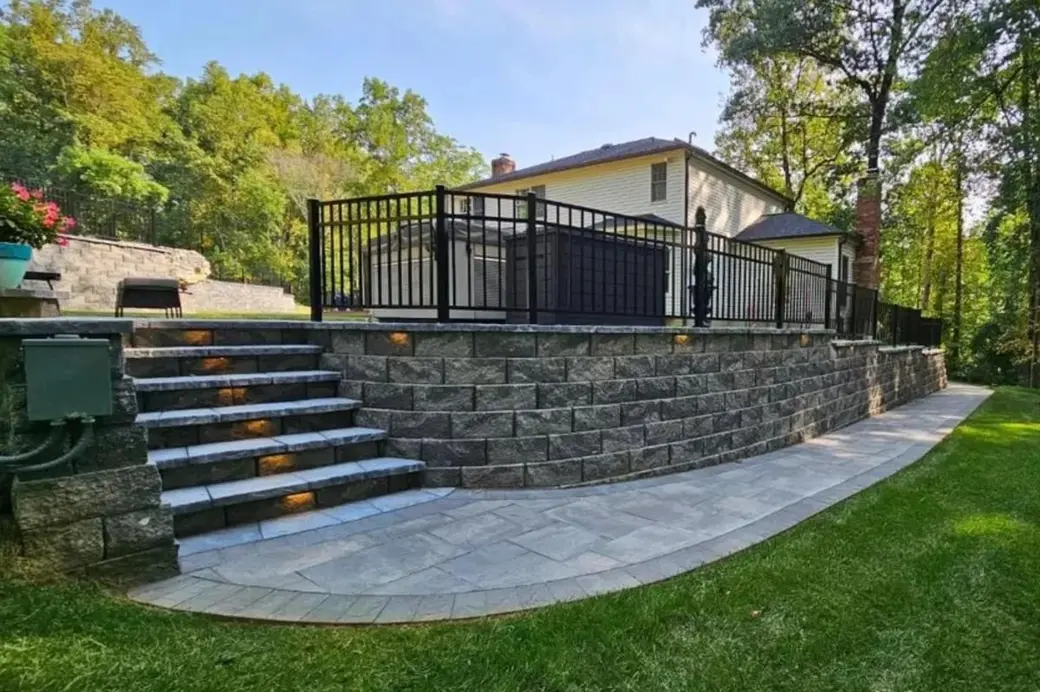
Buying a home in Lake Ridge, Woodbridge, Dale City, or Prince William County, Virginia means looking beyond the bedrooms, kitchen, and overall layout.
If you're considering a house with a sloped backyard, raised patio, or terraced landscaping, you may notice a retaining wall on the property.
At first glance, it might seem like a simple landscaping feature.
But here's an important question:
"If I buy a home with a retaining wall, how do I know whether it's safe or needs expensive repairs?"
A retaining wall does more than improve the appearance of a yard. It holds back soil, helps manage changes in ground elevation, and may support landscaping or other features above it.
A properly designed and maintained wall can be useful for a property. However, a wall showing signs of movement or poor drainage may need professional attention.
Before buying a home with a retaining wall in Lake Ridge, here are seven important things to check.
1. Understand What the Retaining Wall Actually Supports
Not all retaining walls serve the same purpose.
Some are relatively small landscape walls surrounding flower beds.
Others hold back significant amounts of soil on a sloped property.
A retaining wall may support:
-
A raised backyard
-
A patio or outdoor living area
-
A driveway or parking area
-
A garden terrace
-
A slope near the house
-
Landscaping at different elevations
The amount of soil and additional weight behind a wall can affect how it needs to be designed.
For example, a short decorative wall beside a garden is different from a taller structure retaining soil beneath a driveway.
The second wall may experience greater loads and require more detailed engineering.
Buyer tip: Look at what is located above and behind the wall, not just the wall's visible surface.
If a wall supports a structure, driveway, or steep slope, consider having a qualified structural or geotechnical engineer evaluate it.
2. Look for Cracks, Leaning, or Bulging
One of the most important things to check is whether the retaining wall shows signs of movement.
A wall may have looked straight when it was first constructed but gradually changed position over time.
Potential warning signs include:
-
Visible leaning or tilting
-
Bulging or bowing sections
-
Large or widening cracks
-
Separating blocks
-
Loose stones or missing materials
-
Gaps between the wall and nearby structures
-
Sinking or cracking ground above the wall
For example, imagine touring a home in Lake Ridge with a retaining wall along the backyard.
You notice that the center of the wall appears to be pushing outward.
That doesn't automatically tell you what caused the problem, but it is a reason to investigate before purchasing.
A retaining wall may move because of soil pressure, drainage problems, inadequate construction, or additional loads.
Important: Not every small crack means a wall is failing. However, visible movement should not be ignored.
If a wall appears unstable, keep clear of the affected area and request a professional evaluation.
3. Check for Drainage and Water Problems
Water is one of the biggest factors affecting retaining wall performance.
When rainwater collects in soil behind a wall, it can increase pressure against the structure.
Proper drainage helps manage that pressure.
Depending on the wall's design, drainage features may include gravel backfill, drainage pipes, or weep holes that allow water to escape.
During a property visit, look for:
Standing Water
Does water collect behind or near the wall after rainfall?
Blocked Drainage Openings
If the wall has visible weep holes, are they blocked?
Erosion
Is soil washing away near the bottom of the wall?
Water Stains
Are there signs of repeated moisture or seepage?
Nearby Downspouts
Where does water from the home's gutters flow?
Changes in Ground Level
Does the soil above the wall show unusual settling or gaps?
A wall can appear attractive while having drainage problems hidden behind it.
Buyer tip: If possible, observe the backyard after rainfall. This may reveal issues that are difficult to notice during dry weather.
Do not attempt to dig behind or modify the wall without appropriate professional guidance.
4. Ask Whether the Retaining Wall Was Properly Approved
This is especially important for properties in Prince William County.
The county states that zoning approval is required for retaining wall construction.
Depending on the wall's dimensions and what it supports, a building permit may also be required.
For example, a retaining wall that supports a load from a driveway or another structure may be subject to requirements that do not apply to a small landscaping wall.
Tiered walls can also be evaluated together under certain circumstances.
Because requirements vary, buyers should not assume that every retaining wall follows the same permit rules.
Before buying, ask the seller:
-
When was the wall installed?
-
Who built it?
-
Were zoning approvals obtained?
-
Was a building permit required?
-
Are approved plans available?
-
Were required inspections completed?
-
Has the wall been repaired or rebuilt?
The county's official retaining wall guidance explains the approval process and applicable requirements.
Prince William County Retaining Wall Guidance:
https://www.pwcva.gov/department/land-development-division/retaining-wall
If the seller cannot provide records, contact Prince William County Development Services to ask what documentation may be available for the property.
Buyer tip: An absence of records does not automatically prove that the wall was constructed illegally. However, it may justify additional investigation.
5. Find Out Who Is Responsible for Maintaining the Wall
When buying a home with a retaining wall, you should understand who owns and maintains it.
In some situations, the wall may be entirely within the property's boundaries.
In others, it may be located near a property line, within an easement, or in a homeowners association community.
For example, a retaining wall behind a townhouse may appear to serve one backyard but may be associated with a larger community drainage or landscaping system.
Don't assume the homeowners association maintains the wall simply because the home is in an HOA.
Likewise, don't automatically assume that a neighboring homeowner is responsible because the wall is near the boundary.
The answer may depend on:
-
Property survey information
-
Recorded easements
-
HOA governing documents
-
Maintenance agreements
-
Applicable property records
-
The wall's actual location and function
Prince William County's County Mapper can help you research a property's general location and geographic information.
However, the county cautions that its GIS maps should not be treated as legal boundary surveys.
Official resource:
https://www.pwcva.gov/department/gis/county-mapper/
Buyer tip: If ownership or maintenance responsibility is unclear, ask your settlement professional or a qualified Virginia real estate attorney to review the relevant documents.
6. Consider a Separate Retaining Wall Inspection
A general home inspection is an important part of buying a home.
However, a home inspector may not be able to fully evaluate the engineering and stability of a retaining wall.
Some problems require specialized knowledge about soil conditions, drainage, structural loading, or construction methods.
If the retaining wall is tall, shows movement, supports a driveway, or raises other concerns, consider hiring an appropriately qualified engineer.
A professional evaluation may address:
-
Visible structural condition
-
Signs of movement
-
Retained soil and nearby loads
-
Drainage concerns
-
Possible construction deficiencies
-
Risks associated with surrounding slopes
-
Recommended repairs or additional investigation
An engineering inspection does not necessarily involve excavating behind the wall.
The professional should explain what can be determined through a visual assessment and whether further testing is needed.
Buyer tip: Arrange any specialized inspections within the deadlines allowed by your purchase agreement.
If significant concerns are found, obtain written findings before deciding how to proceed.
7. Get Repair Estimates Before Making a Final Decision
Retaining wall repairs can vary significantly.
A small landscaping wall requiring limited work is different from a tall structural retaining wall with serious movement or drainage problems.
Depending on the condition, recommended work might involve:
-
Repairing damaged drainage components
-
Replacing individual wall materials
-
Addressing surrounding erosion
-
Improving surface water management
-
Reinforcing the existing structure
-
Reconstructing part or all of the wall
The appropriate solution should be determined by a qualified professional.
For example, replacing visible blocks may not solve a problem caused by water building up behind the structure.
Before making a decision, ask for a written estimate that explains the work and expected costs.
For more significant projects, it may also be helpful to confirm:
Permits
Will the repair or reconstruction require county approvals?
Engineering
Are professional plans or calculations needed?
Access
Can contractors reach the wall with the necessary equipment?
Landscaping
Will the project affect trees, fences, patios, or other improvements?
Timeline
How long might the work take?
Future Maintenance
What ongoing care will the wall require?
Buyer tip: Don't rely on a simple cosmetic repair estimate if an engineer has identified a structural concern.
What Happens If the Retaining Wall Has Problems During Your Home Inspection?
Suppose you're buying a home in Woodbridge and the inspection identifies a retaining wall that appears to be leaning.
What should you do?
First, determine whether a specialized evaluation is needed.
A qualified professional may help establish the condition of the wall and recommend appropriate next steps.
Once you understand the issue, review your purchase contract.
Depending on your inspection contingency and other contractual terms, potential negotiations may involve the seller completing agreed repairs, an adjustment to the purchase price, or an eligible seller credit.
In some situations, a buyer may have a contractual right to terminate.
However, these options depend on the specific agreement and must be handled within the required deadlines.
Important: A seller is not automatically required to replace a retaining wall simply because it is old or has cosmetic wear.
The condition, contract terms, and negotiations determine the outcome.
Does Virginia Require Sellers to Disclose Retaining Wall Problems?
Virginia's residential property disclosure framework generally emphasizes buyer due diligence.
The standard Residential Property Disclosure Statement advises purchasers to investigate the property's condition.
However, separate legal obligations may apply in particular circumstances, including duties regarding certain known material adverse facts.
Buyers should not assume that the standard disclosure statement identifies every retaining wall or drainage concern.
If the wall is important to your decision, investigate its condition, history, and documentation before purchasing.
Official resource:
https://www.dpor.virginia.gov/Consumers/Residential_Property_Disclosures
Can a Retaining Wall Affect Home Value?
Potentially.
A well-designed retaining wall may help create usable outdoor space on a sloped property.
For example, it might allow a homeowner to have a level patio or landscaped backyard where the natural ground slopes.
However, a damaged wall requiring substantial repairs may be a concern for prospective buyers.
The effect on a home's market value depends on several factors, including:
-
The property's overall condition
-
The wall's condition and purpose
-
Available inspection documentation
-
Estimated repair expenses
-
Buyer preferences
-
Comparable sales in the neighborhood
There is no reliable rule that every home with a retaining wall should sell for more or less than a home without one.
A local comparative market analysis can help buyers understand relevant property differences.
Frequently Asked Questions About Retaining Walls
Is it safe to buy a house with a retaining wall?
It may be. The important considerations include the wall's condition, design, drainage, maintenance history, and any professional findings.
Does a retaining wall need a permit in Prince William County?
The county requires zoning approval for retaining wall construction. Building permits may also be required depending on the wall's height, retained fill, and the loads it supports.
What are warning signs of a failing retaining wall?
Leaning, bulging, widening cracks, displaced materials, erosion, and unusual ground movement may indicate problems that should be evaluated.
Does a regular home inspection include retaining walls?
A home inspector may observe visible concerns, but a specialized engineering evaluation may be needed to assess stability or structural conditions.
Can poor drainage damage a retaining wall?
Yes. Water accumulating behind a wall can increase pressure and contribute to movement or deterioration.
Who pays for retaining wall repairs when buying a home?
Responsibility depends on ownership, applicable agreements, the purchase contract, and any negotiated repair arrangements.
Should I avoid buying a home with a damaged retaining wall?
Not necessarily. Obtain professional findings and realistic repair estimates, then decide whether the property still meets your needs and budget.
Thinking About Buying a Home in Lake Ridge, VA?
A beautiful backyard can be one of the most attractive features of a home.
But when a property has retaining walls, slopes, or significant landscape structures, understanding their condition and maintenance responsibilities is important.
Whether you're searching in Lake Ridge, Woodbridge, Dale City, Dumfries, or surrounding Prince William County communities, taking time to investigate property features can help you make a more informed buying decision.
Josue Ruiz | Ruiz Realty Group helps homebuyers explore available properties, compare local neighborhoods, and navigate the Northern Virginia real estate market.
Ready to Find Your Next Home in Prince William County?
Explore your options and connect with Josue.
Visit: https://realtorforvirginia.com/
Josue Ruiz | Ruiz Realty Group | Samson Properties
Call or Text: (703) 975-0021
Your Local Real Estate Resource in Prince William County, Virginia.
Disclaimer: This article provides general real estate information and is not structural engineering, legal, or financial advice. Retaining walls and related property conditions should be evaluated by qualified professionals.
Categories
Recent Posts






"My job is to find and attract mastery-based agents to the office, protect the culture, and make sure everyone is happy! "