
Buying a Home in Dale City, VA With an Underground Oil Tank? 7 Things to Check
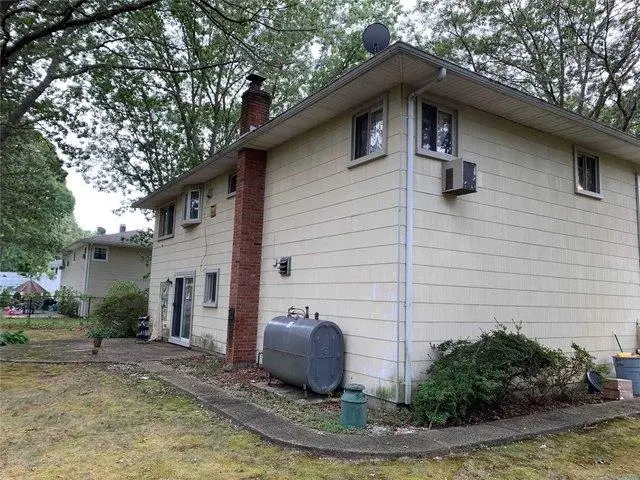
Buying a home in Dale City, Woodbridge, Lake Ridge, or Prince William County, Virginia involves more than checking the property's roof, foundation, and interior condition.
When considering an older home, there's another issue worth investigating: an underground heating oil tank.
Some properties previously relied on oil-fired heating systems. Even after a homeowner switches to electric heating or a heat pump, an old fuel tank may remain buried on the property.
Now you may be wondering:
"Can I safely buy a house with an underground oil tank, and who pays if the tank has leaked?"
The answer depends on the tank's condition, available documentation, environmental findings, and the terms of your purchase agreement.
Before buying a home with a known or suspected underground heating oil tank, here are seven important things to check.
1. Find Out Whether an Underground Oil Tank Exists
The first step is determining whether the property has a heating oil tank and, if so, where it is located.
Older homes may have used oil-fired furnaces or boilers before being converted to other heating systems.
Sometimes the original tank was removed during the conversion.
In other cases, it may have been properly closed and left underground.
However, the presence of an older heating system does not automatically mean a buried tank exists.
Potential clues include:
-
An old oil fill pipe near the house
-
A metal vent pipe extending from the ground
-
Previous heating oil equipment
-
Records showing fuel oil deliveries
-
Documents relating to an older furnace or boiler
-
Information from previous owners about heating system changes
These signs are reasons to investigate, not proof that a buried tank is present.
Buyer tip: Ask the seller whether the property currently has or previously had a heating oil tank.
If the answer is uncertain, consider arranging an inspection by an appropriately qualified professional.
2. Determine Whether the Oil Tank Is Still Being Used
Not every underground heating oil tank has the same status.
Some tanks remain active and supply fuel to an operating heating system.
Others are no longer used.
An inactive tank may have been:
Properly Removed
The tank was professionally emptied, removed, and disposed of according to applicable requirements.
Closed in Place
The tank was emptied and filled with an approved inert material, subject to the required local approvals.
Improperly Abandoned
The tank may have been left underground without completing the required closure procedures.
Virginia DEQ explains that unused heating oil tanks must be properly closed in accordance with applicable building requirements.
Prince William County regulates underground and aboveground tank closures through its Building Development Division.
Important: Don't assume a tank was properly closed simply because the home no longer uses oil heating.
Ask for written documentation showing what was done.
3. Check for Signs of Oil Leaks or Soil Contamination
One of the biggest concerns about a buried oil tank is the possibility of a leak.
Heating oil can escape from a damaged tank or connected piping and affect the surrounding soil.
Potential warning signs include:
-
Strong petroleum odors
-
Oil stains or visible petroleum residue
-
Unexplained fuel loss from an active system
-
Evidence of damaged fuel lines
-
Historical reports of oil spills
-
Previous environmental cleanup work
However, contamination is not always visible from the surface.
A property can appear well-maintained while an underground problem remains undiscovered.
Virginia DEQ advises that suspected or confirmed heating oil leaks must be reported promptly.
Buyer tip: If an underground tank is identified, discuss whether professional environmental testing is appropriate before completing the purchase.
Do not attempt to excavate, sample, or remove the tank yourself.
4. Consider Professional Soil Testing
A regular home inspection may identify clues suggesting a buried fuel tank.
However, a standard inspection generally does not include a complete environmental assessment of underground soil conditions.
If there is a known or suspected underground tank, a qualified environmental professional may recommend soil sampling.
Soil testing can help investigate whether petroleum contamination is present in the sampled areas.
Depending on the circumstances, the evaluation may involve:
-
Reviewing the property's heating history
-
Locating the tank and associated piping
-
Examining available installation records
-
Assessing visible environmental concerns
-
Collecting appropriate soil samples
-
Arranging laboratory analysis
-
Recommending additional investigation when necessary
A soil test is not a guarantee that every possible contamination issue has been discovered.
Results depend on where samples are taken, which substances are tested, and the scope of the investigation.
Before making a purchase decision, understand what the environmental report does and does not establish.
Virginia DEQ provides guidance for buyers and sellers dealing with home heating oil tanks.
Official resource:
https://www.deq.virginia.gov/land-waste/petroleum-tanks/home-heating-oil
5. Understand the Costs of Removing or Closing an Underground Tank
If an existing tank is no longer needed, proper closure may be required.
Depending on the circumstances and local requirements, the process may involve removing the tank or closing it in place.
Prince William County requires a permit for closing applicable underground or aboveground fuel storage tank systems.
The county also identifies inspection and site assessment requirements.
Possible project expenses include:
-
Professional tank assessment
-
Permit fees
-
Excavation
-
Tank cleaning
-
Tank removal or approved closure
-
Soil testing
-
Proper disposal
-
Site restoration
-
Additional environmental cleanup, if contamination is discovered
The total cost depends on the tank, its location, site conditions, and whether a leak has occurred.
A relatively straightforward tank removal is different from an environmental cleanup involving contaminated soil.
Buyer tip: If the tank's condition is uncertain, obtain qualified estimates before accepting financial responsibility for removal or remediation.
Avoid relying on rough estimates that do not include environmental testing or possible cleanup costs.
6. Find Out Who Is Responsible If the Tank Has Leaked
This is one of the most important questions when purchasing a property with an underground heating oil tank.
According to Virginia DEQ, heating oil tank owners and operators have responsibilities concerning maintenance, leaks, and required cleanup.
The department administers the Virginia Petroleum Storage Tank Fund, which may reimburse eligible cleanup costs under certain circumstances.
However, financial assistance is not automatic.
DEQ explains that eligible homeowners are generally responsible for the first $500 of qualifying cleanup expenses, and other costs may remain their responsibility.
For example, costs associated with tank removal requested solely for a real estate transaction may not qualify for reimbursement.
The exact outcome depends on the circumstances, applicable rules, and DEQ's determinations.
Before buying a property with a known leak or contamination concern, ask:
-
Has the release been reported to DEQ?
-
Is there an open environmental case?
-
What investigation has been completed?
-
Has DEQ required cleanup?
-
Are there outstanding obligations?
-
What costs may remain unpaid?
-
What responsibilities will the buyer assume?
Important: Never assume that the seller, insurance company, or state cleanup fund will automatically cover every expense.
Consider obtaining advice from a qualified environmental consultant and Virginia real estate attorney before proceeding.
7. Confirm Mortgage and Homeowners Insurance Requirements
An underground heating oil tank can affect more than the property's physical condition.
It may also raise questions during the mortgage and insurance approval process.
Virginia DEQ advises buyers and sellers to speak with lenders and insurance providers when a heating oil tank is present.
Depending on the circumstances, a lender may request:
-
Tank location information
-
Inspection or closure records
-
Environmental test results
-
Documentation of previous cleanup
-
Confirmation that a known problem has been addressed
An insurance company may also evaluate the property's environmental conditions and coverage eligibility.
Buyer tip: Tell your lender and insurance provider about any known underground heating oil tank before closing.
Do not assume the same financing or insurance requirements apply to every property.
What If the Seller Says the Tank Was Removed Years Ago?
Ask whether supporting documents are available.
Useful records may include:
-
Tank removal invoices
-
Building permits
-
Inspection approvals
-
Environmental reports
-
Soil sample results
-
Contractor documentation
-
Relevant DEQ correspondence
These documents may help clarify what work was completed and whether additional questions remain.
If the seller cannot locate the documents, you can ask the appropriate county office whether permit records are available.
You can also speak with an environmental professional about the value of further investigation.
A verbal statement that a tank was removed is not the same as verified documentation.
Does Virginia Require Sellers to Disclose Underground Oil Tanks?
Virginia's Residential Property Disclosure Act generally places significant emphasis on buyer due diligence.
The standard residential property disclosure statement advises buyers to investigate the condition of the property.
However, sellers and real estate professionals may have additional obligations under applicable laws and circumstances.
A seller should not provide false or misleading information about known conditions.
Real estate licensees also have separate legal duties regarding material adverse facts about a property's physical condition that they actually know.
If a property has a known underground oil tank, reported contamination, or unresolved cleanup concern, the parties should obtain appropriate legal advice regarding disclosures and their contractual obligations.
You can review Virginia's official disclosure information here:
https://www.dpor.virginia.gov/Consumers/Residential_Property_Disclosures/
Can You Buy a Home With an Underground Oil Tank?
Potentially, yes.
The existence of a buried heating oil tank does not automatically mean the property is unsafe or impossible to purchase.
Some tanks may be functioning properly.
Others may have been professionally closed with appropriate records.
However, the absence of visible problems does not guarantee that a tank has never leaked.
Before proceeding, consider the complete picture:
Property Condition
What do qualified inspections and environmental assessments show?
Documentation
Are permit records, closure reports, or maintenance records available?
Financial Risk
Could tank removal, testing, or cleanup create additional expenses?
Financing
Will your lender accept the property's condition and documentation?
Insurance
Can you obtain suitable coverage?
Purchase Contract
What rights and responsibilities apply if a problem is identified?
A careful review can help you decide whether the home fits your needs and financial situation.
Frequently Asked Questions About Underground Oil Tanks
Is it safe to buy a house with an underground oil tank?
It depends on the tank's condition and whether contamination or other problems exist. A qualified professional can evaluate the circumstances.
Does every older Dale City home have an underground oil tank?
No. Heating systems vary by property. An older home does not automatically have or previously have had a buried oil tank.
Can an underground oil tank leak without visible signs?
Yes. Underground contamination may not always be visible at the surface.
Does Virginia require every underground residential heating oil tank to be removed?
Not necessarily. Proper closure may involve removal or approved closure in place, depending on applicable local requirements and site conditions.
Will a regular home inspection find an underground oil tank?
A home inspector may identify visible clues, but a standard inspection is not a complete underground tank or environmental investigation.
Who pays for tank removal when buying a house?
The payment arrangement may be negotiated between buyer and seller, subject to applicable legal obligations and contract terms.
Can an underground oil tank affect mortgage approval?
Potentially. Lenders may have property-condition or environmental documentation requirements.
Thinking About Buying a Home in Dale City or Prince William County?
Buying a home involves more than choosing the right number of bedrooms or finding an attractive asking price.
Understanding a property's history, mechanical systems, and potential environmental concerns can help you make a more informed decision.
Whether you're searching in Dale City, Woodbridge, Lake Ridge, Dumfries, or surrounding Prince William County communities, asking the right questions before closing is an important part of the process.
Josue Ruiz | Ruiz Realty Group helps buyers explore available properties and navigate the Northern Virginia real estate market.
Ready to Find Your Next Home in Northern Virginia?
Visit: https://realtorforvirginia.com/
Josue Ruiz | Ruiz Realty Group | Samson Properties
Call or Text: (703) 975-0021
Your Local Real Estate Resource in Prince William County, Virginia.
Disclaimer: This article provides general real estate information and is not environmental, legal, mortgage, or insurance advice. Property-specific concerns should be evaluated by qualified professionals and appropriate government authorities.
Categories
Recent Posts






"My job is to find and attract mastery-based agents to the office, protect the culture, and make sure everyone is happy! "