
Can You Get Your Earnest Money Back When Buying a Home in Dale City, VA?

Buying a home in Dale City, Woodbridge, Lake Ridge, or anywhere in Prince William County, Virginia is an exciting step. But before you reach closing day, you may need to provide an earnest money deposit.
For many first-time homebuyers, one important question is:
"What happens to my earnest money if I decide not to buy the house?"
The answer depends on your purchase contract, the reason the transaction ends, and whether you have followed the required deadlines and procedures.
Understanding earnest money before making an offer can help you protect your finances and avoid costly mistakes.
What Is Earnest Money When Buying a Home?
Earnest money is a deposit that a buyer provides to demonstrate a serious intention to purchase a property.
It is also commonly called a good faith deposit.
When a seller accepts your offer and the parties enter into a binding purchase agreement, the contract may require you to submit earnest money to the designated escrow holder.
This deposit demonstrates your commitment to completing the transaction according to the agreed terms.
Important: Earnest money is not an extra fee charged simply for buying a home.
When the transaction closes successfully, the deposit is generally credited toward your required funds at closing, such as your down payment or closing costs.
How Much Earnest Money Do You Need in Dale City, VA?
There is no single earnest money amount required for every home purchase in Virginia.
The amount is typically negotiated between the buyer and seller.
Several factors can influence the deposit amount:
-
The home's purchase price
-
Local real estate market conditions
-
The level of competition among buyers
-
The terms of your offer
-
The amount of money you're comfortable placing in escrow
For example, a buyer purchasing a home for $450,000 might offer an earnest money deposit of $4,500.
However, that amount is only an illustration, not a required deposit.
Your real estate professional can help you evaluate an appropriate amount based on the specific property and transaction.
Can You Get Your Earnest Money Back if the Home Inspection Reveals Problems?
Potentially, yes.
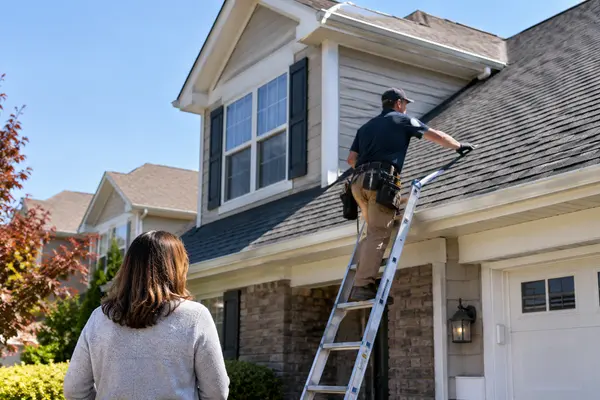
A home inspection contingency may allow a buyer to request repairs, negotiate certain terms, or terminate the purchase agreement under specific conditions.
However, your rights depend on the exact wording of the contingency and whether you follow all required procedures.
For example, imagine you're purchasing a home in Dale City and the inspection identifies significant foundation concerns.
If your contract provides a valid right to terminate based on the inspection, and you properly exercise that right within the required timeframe, you may be entitled to receive your earnest money back.
The key is following the contract's requirements, not simply deciding you no longer want the home.
What Happens If Your Mortgage Financing Falls Through?
Many buyers depend on mortgage financing to purchase a property.
A financing contingency may provide certain protections if the buyer cannot obtain financing as required by the contract.
However, protection is not automatic.
Your contract may require you to apply for financing promptly, cooperate with the lender, provide documentation, and deliver appropriate notices before specified deadlines.
If your financing falls through, review the contract with your real estate professional and obtain legal guidance if necessary before terminating.
Buyers should never assume their earnest money will automatically be refunded simply because a lender declines the loan.
What If the Home Appraisal Comes Back Too Low?
When you're purchasing a home with a mortgage, your lender may require an appraisal.
An appraisal helps the lender evaluate the property used as security for the loan.
If the appraisal is lower than the agreed purchase price, the buyer and seller may need to consider their options.
Depending on the contract, these options could include:
-
Negotiating a different purchase price
-
Contributing additional funds
-
Reviewing available financing options
-
Exercising an applicable contractual contingency
Whether you can terminate the purchase and recover your earnest money depends on the specific terms of your agreement.
A low appraisal does not automatically guarantee that your deposit will be returned.
Can You Lose Your Earnest Money If You Change Your Mind?
Yes, that is possible.
If you simply decide not to purchase the home without a valid contractual right to terminate, you may put your earnest money at risk.
For example, suppose you've entered into a binding contract to buy a home in Woodbridge.
After the applicable contingency periods expire, you find another home you prefer.
If you decide to cancel the original transaction without a valid contractual basis, the seller may claim entitlement to the deposit or other remedies under the contract.
The outcome depends on the agreement and the circumstances.
This is why buyers should fully understand their contractual obligations before signing.
Where Does Your Earnest Money Go?
Earnest money is generally held by a designated escrow holder, such as a real estate brokerage or settlement company.
The purchase contract should identify where the deposit will be held and when it must be delivered.
Virginia law establishes requirements for real estate brokers handling earnest money deposits.
For broker-held escrow deposits, applicable law generally requires funds received by the broker to be deposited by the end of the fifth business banking day following contract ratification, unless the parties agree otherwise in writing.
Different delivery rules may apply when a broker receives money that will be held by another escrow agent.
As a buyer, always follow the deposit deadline stated in your purchase contract.
The legal deadline for a broker to handle funds is not automatically an extension of the buyer's contractual payment deadline.
What Happens If the Buyer and Seller Disagree About the Deposit?
Sometimes a purchase agreement ends, but the buyer and seller disagree about who should receive the earnest money.
In those cases, the deposit may remain in escrow while the dispute is resolved.
Under Virginia law, a real estate broker holding the deposit may have several legally permitted ways to release the funds, including written agreement between the parties, a court order, or clear contractual instructions.
A settlement company may have its own procedures and legal obligations.
This means even when a buyer believes they are entitled to a refund, the money might not be released immediately.
If a dispute occurs, consider speaking with a qualified Virginia real estate attorney.
For more information, review the Code of Virginia § 54.1-2108.2.
Five Ways to Protect Your Earnest Money Before Buying
1. Understand Your Purchase Contract
Read the terms carefully before signing, particularly the sections addressing deposits, contingencies, termination, and default.
2. Pay Attention to Deadlines
Missing a required deposit, inspection, financing, or notice deadline can create serious problems.
3. Keep Written Records
Save receipts, deposit confirmations, inspection reports, lender communications, and other important documents.
4. Understand Your Contingencies
Make sure you understand what protections are included and what actions are required to exercise them.
5. Work With a Local Real Estate Professional
An experienced local agent can explain the transaction process, help you track important deadlines, and coordinate with the parties involved.
For legal questions about contract interpretation or deposit disputes, consult a qualified attorney.
Frequently Asked Questions About Earnest Money in Virginia
Is earnest money required to buy a home in Virginia?
There is no universal amount that every buyer must deposit. Whether a deposit is required and how much must be paid depend on the negotiated purchase agreement.
Does earnest money count toward my down payment?
It is generally credited toward the buyer's required funds at closing. The final allocation depends on the settlement statement and transaction details.
Can I get my earnest money back if the inspection reveals serious problems?
Possibly, if your contract provides an applicable right to terminate and you follow the required procedures and deadlines.
What happens if I miss the earnest money deposit deadline?
Missing a contractual deadline can create a breach or other contractual problem. Review the agreement immediately and seek professional advice.
Can the seller keep my earnest money if I cancel?
The seller may have a claim depending on the contract and circumstances. A cancellation does not automatically mean the buyer loses the deposit, and a seller cannot necessarily receive disputed funds immediately.
Planning to Buy a Home in Dale City or Prince William County?
Understanding earnest money is just one part of making a confident home purchase.
Whether you're a first-time buyer or preparing for your next move, it's important to understand the terms of your offer before committing your money.
If you're searching for a home in Dale City, Woodbridge, Lake Ridge, Dumfries, or surrounding Prince William County communities, having knowledgeable local guidance can help you navigate the buying process.
Ready to explore homes in Northern Virginia?
Connect with Josue Ruiz to discuss your real estate goals and next steps.
Visit: https://realtorforvirginia.com/
Josue Ruiz | Ruiz Realty Group
Call or Text: (703) 975-0021
Your Local Real Estate Resource in Prince William County, Virginia.
Disclaimer: This article is for general educational purposes and is not legal, lending, or financial advice. Earnest money rights depend on your specific contract and circumstances.
Categories
Recent Posts







"My job is to find and attract mastery-based agents to the office, protect the culture, and make sure everyone is happy! "